Timing
A weekend trip is measured in usable hours, not nights
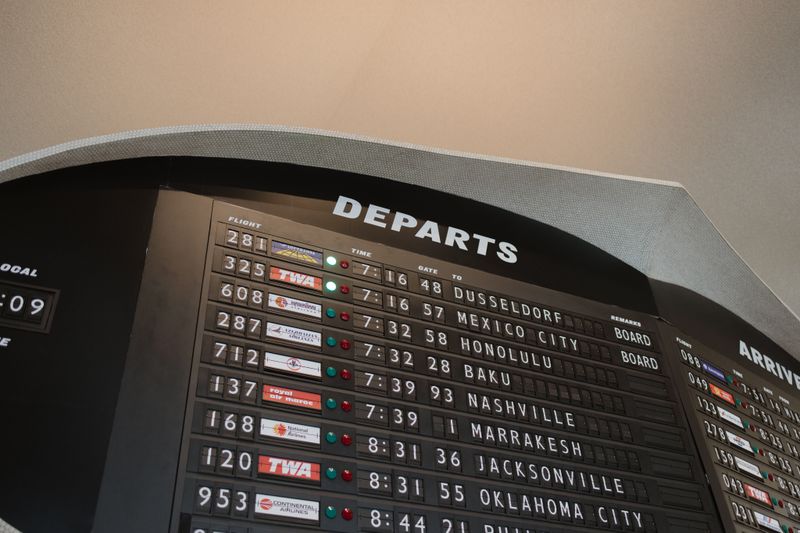
Two nights can mean thirty usable hours or twelve. The difference is entirely in the flight times.
Editor, Fly Before Friday
Priyanka edits Fly Before Friday and has taken more Thursday-night flights than is entirely sensible.
Contact Priyanka through our contact page — mark your message for their attention and it will be passed on.
Timing
Two nights can mean thirty usable hours or twelve. The difference is entirely in the flight times.
Travelling Light
Skipping the hold removes queueing, waiting and the risk of losing the trip's clothes. Two nights makes it easy.
Short-Break Cities
Some places are readable in forty-eight hours. Others need a week to make any sense at all.
48 Hours
The first and last hours of a short break are the ones most easily lost, and they are recoverable.
Near-Home Escapes
Under about four hours door to door, rail and road usually win on time, cost and pleasantness.
48 Hours
Two nights leaves no room to come back tomorrow. What you do in the first ten minutes decides whether the trip is spoiled.
48 Hours
Short trips expose differences in energy and planning style faster than long ones, because there is no time to drift back together.
Timing
The third night does not add fifty per cent to a trip. It changes what kind of trip it is.
Timing
Two days can feel like an afternoon or like a week. What differs is how much of it was novel and unhurried.
Travelling Light
The final block of a short trip is spent attached to your luggage. Planning for that decides how the trip ends.
Travelling Light
The real price of a full bag on a short trip is paid in minutes and decisions rather than in kilograms.
Travelling Light
The bag stops being about you. Working out what genuinely cannot be bought locally is what keeps it manageable.
Travelling Light
Sharing a single bag for two nights halves the things to carry and doubles the number of decisions to agree first.
Travelling Light
Almost everything in a bag is replaceable. A very small number of items are not, and they deserve different treatment.
Near-Home Escapes
Most people have seen far less of the area within two hours of home than of places a thousand kilometres away.
Near-Home Escapes
A single night away sounds too short to matter. Close to home it can deliver most of what a weekend does.
Near-Home Escapes
Staying put and changing the pattern is a legitimate short break, and for some weeks it is the better one.
Near-Home Escapes
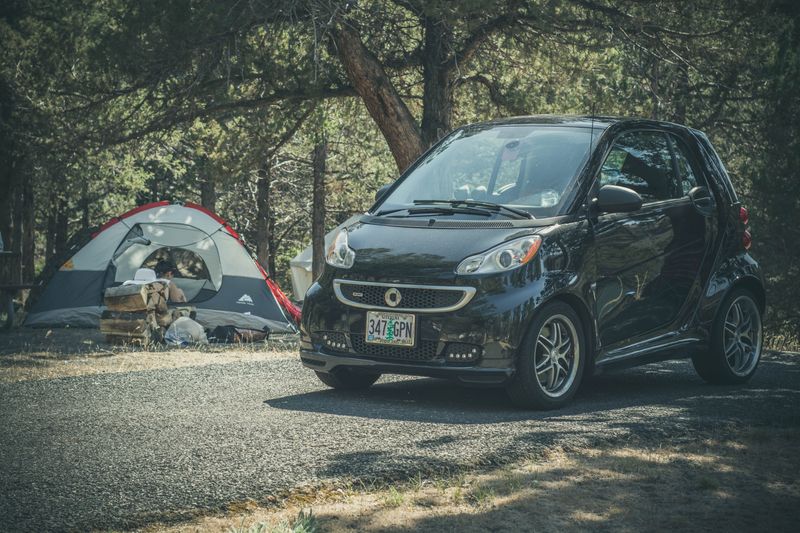
A car makes near-home breaks possible and turns the journey into work. That trade needs to be made deliberately.
Near-Home Escapes
It is a common complaint and it has specific causes, most of which are decisions rather than inevitabilities.
Near-Home Escapes
Going away against the general pattern is quieter, cheaper and easier to arrange. The obstacle is usually the working week rather…
Near-Home Escapes
A near-home break can be decided late and abandoned cheaply. That flexibility is worth more than it appears.
Near-Home Escapes
For plenty of people a long holiday is not available at all. Short breaks are then the entire travel budget rather than a…
Fares & Booking
An alert tells you a number moved. It cannot tell you whether the number is good, which is the only thing you actually need to know.
48 Hours
Timed entry solves one problem and creates another. A fixed slot is a spine for two days, and it is also a hostage.
Fares & Booking
Seeing a lower price a week after booking feels like a loss. It is usually just the flight selling more slowly than the forecast…
48 Hours
The hours before ten belong to whoever is awake for them. On a two-night trip that is the difference between seeing a place and…
Timing
Airport waiting times vary enormously between one Friday and the next. The buffer you leave is a decision about risk, not about…
Timing
Delays accumulate as a day goes on, because aircraft are used repeatedly. Which departure you choose changes your odds before…
Timing
A public holiday hands you a third day for free. It hands the same day to several million other people at exactly the same time.
Timing
One weekend a year gains an hour and another loses one. On a two-night trip that is a noticeable fraction of the time you bought.
Travelling Light
You arrive at eleven and cannot check in until three. What you do with those four hours decides how the whole first day feels.
Travelling Light
The journey does not end at the station. It ends at a door, and the stretch in between is where a short trip starts badly.
Travelling Light
Weather forecasting is far more reliable over a weekend than over a fortnight. Short trips are the one format that can exploit that.
Travelling Light
Two free hands is not a small convenience. It decides whether you can eat standing up, take a photograph or get on a crowded tram…
Travelling Light
Forgetting something on a fortnight is a problem. Forgetting the same thing on a weekend is usually nothing at all, and knowing…
Travelling Light
A bag that feels fine on the way to the airport can be intolerable six hours into a city. The two situations are not comparable.
Near-Home Escapes
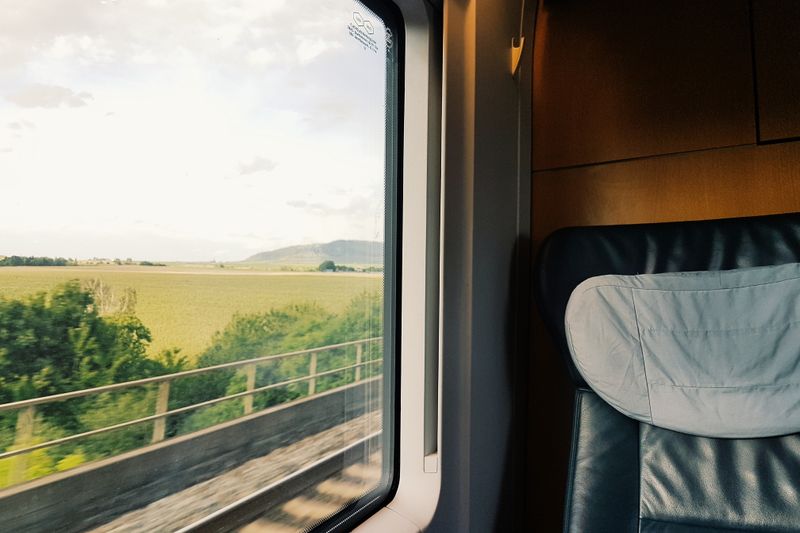
An overnight service turns travel time into sleeping time. On a two-night break that arithmetic is unusually favourable, when it…
Near-Home Escapes
A short break by public transport removes parking, driving and one whole category of stress. It also removes options, and that has…
Near-Home Escapes
Rural short breaks fail at the end of the journey rather than at the start. The final few miles need solving before anything else…
Near-Home Escapes
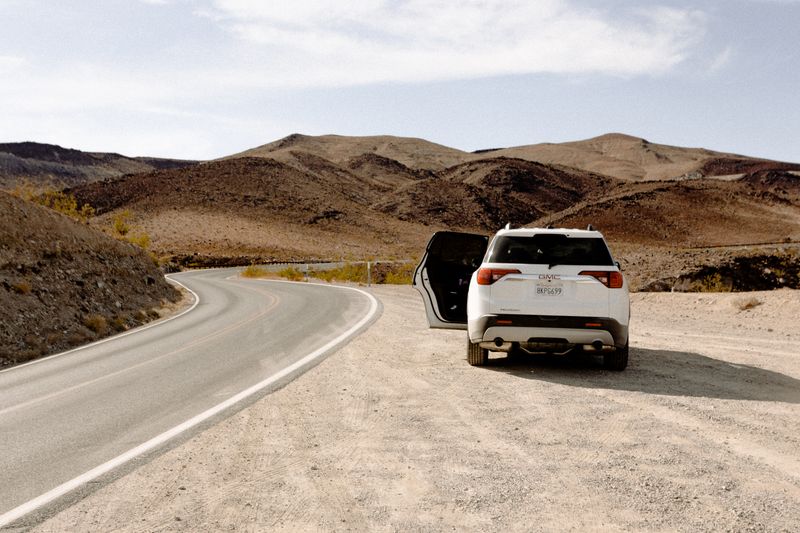
A road trip of two hours can take four if it leaves at the same moment as everybody else. Departure time matters more than route.
Near-Home Escapes
Long-distance buses are the cheapest way to reach a short break. On two nights, the hours they take are the expensive part.
Near-Home Escapes
A weekend that travels one way by bicycle or on foot and returns by rail avoids the dullest part of an out-and-back trip.