Near-Home Escapes
The near-home break that beats flying
Under about four hours door to door, rail and road usually win on time, cost and pleasantness.

The theory of travelling without flying is well covered elsewhere. This is about the version you meet in practice.
What holds up in practice
- Rail city-centre to city-centre removes both airport transfers.
- The break-even against flying is longer than most people assume.
- Train travel is usable time in a way airport time is not.
Door to door is the comparison
A flight of one hour becomes four or five once transfers, check-in and reclaim are counted. Rail from centre to centre removes both airport transfers and most of the waiting. On journeys up to roughly four hours by train, rail frequently wins outright on total time.
The asymmetry is in the tails, because a train missed by a few minutes costs you the next departure while a flight missed by a few minutes costs the ticket, which is why airport plans carry a buffer that rail plans do not need.
The time is usable
A train seat with a table and a window is workable, readable and comfortable in a way an airport is not. Counting three hours of usable time against three hours of queueing changes the comparison further. For anyone who can work en route, the effective cost difference widens again.
The useful part is this: all of that assumes a seat, which on a busy corridor on a Friday afternoon is not a given, and a reservation is worth more than the small sum it costs on exactly the departures a short break wants.
Costs need the extras included
Rail fares can look expensive against headline flight prices and often are not once bags, transfers and seat selection are added. Advance rail fares are heavily discounted and require commitment to a specific train. Flexibility costs more on rail and less on some flexible flight fares, which is worth knowing.
In practice, fare rules differ enormously between countries — the advance window, the discount cards, whether a ticket is tied to one train — so a technique that saves money at home may not exist across a border and is worth checking rather than assuming.
Road works for groups and awkward places
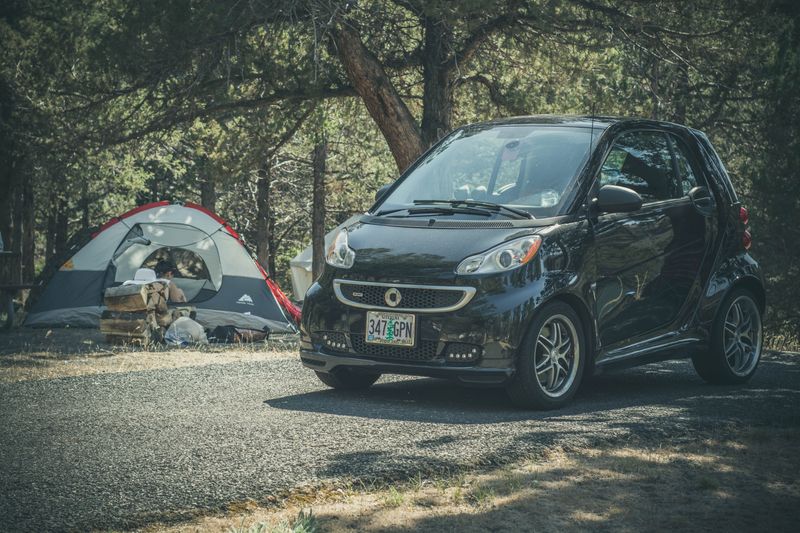
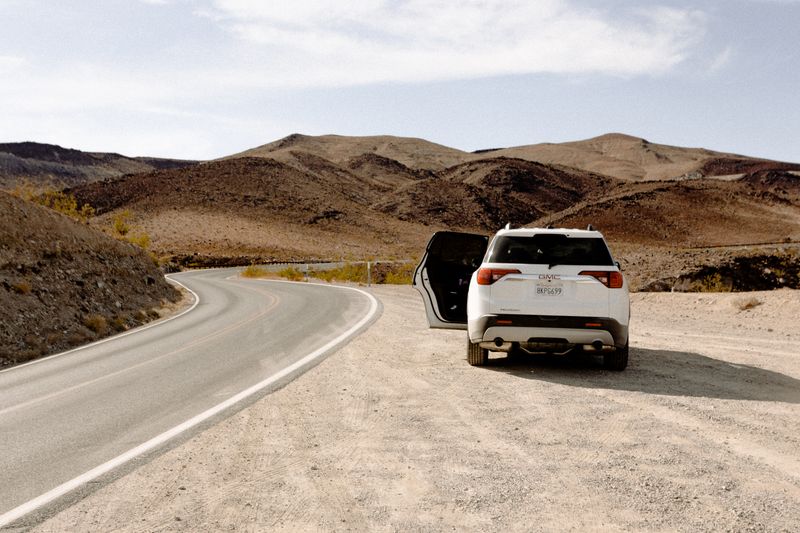
For three or four people, or for destinations without a rail connection, driving is frequently cheaper and simpler. The cost is the driving itself, which is not restful and is not usable time. It suits coast and countryside destinations far better than city breaks with parking problems.
The full cost also includes parking at the other end, which in a city can approach the price of the journey itself and is charged for the two nights you spend not using the car at all.
The near-home option is underrated
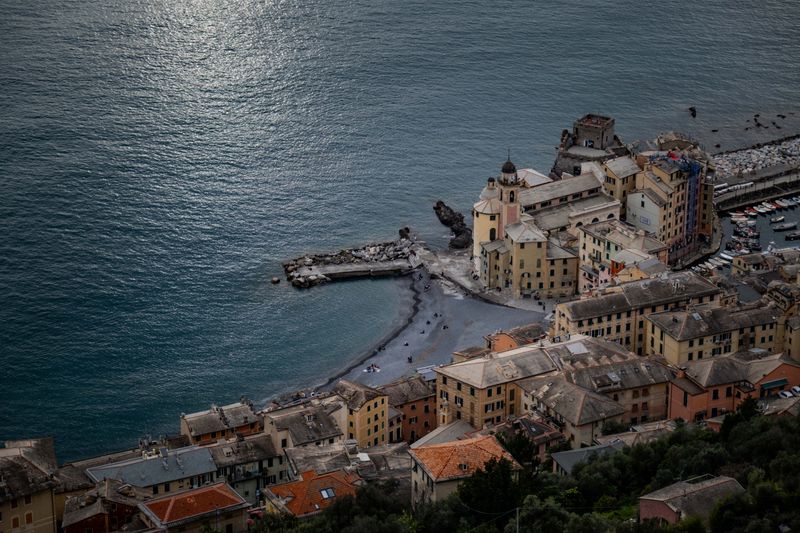
Places within two hours are routinely overlooked in favour of somewhere requiring a flight. They allow a genuine two-night break with almost no travel overhead and no early alarm.
The useful part is this: for a short break the time saved is the whole point. The emissions difference between a short flight and the same journey by train is large, which is a real argument for rail at exactly these distances and one worth making plainly rather than tucking into a footnote.
Adjust the size of it until it is something you would actually do tired.
When rail is the wrong answer
Weekend engineering work is the specific hazard for a two-night trip, because the line closes on precisely the days you need it and a replacement bus can double a journey you had planned to the minute. Cross-country routes that avoid the capital are frequently far slower than the map suggests, since most networks were built to radiate outward rather than to join up the places you actually want to connect. A journey with two changes carries the same risk profile as a connecting flight, and a missed connection late on a Sunday can leave no onward service at all rather than merely a later one.
For most people, checking for planned works on your exact dates before booking anything else takes a couple of minutes and is the one check almost everybody skips.
The takeaway
Compare door to door. Under four hours by train, flying usually loses.
Small and repeatable beats ambitious and abandoned, almost every time.
Questions readers ask
At what distance does flying win?
Roughly beyond four hours of rail, though it depends on airport access at both ends. Compare door to door rather than in-vehicle time.
Are rail fares cheaper booked early?
Usually substantially, on advance fares tied to a specific train. Flexible fares are expensive by comparison.