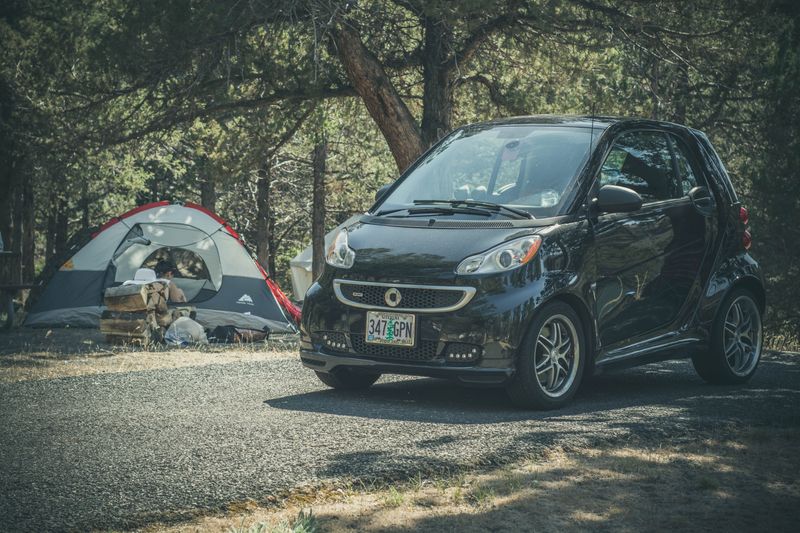
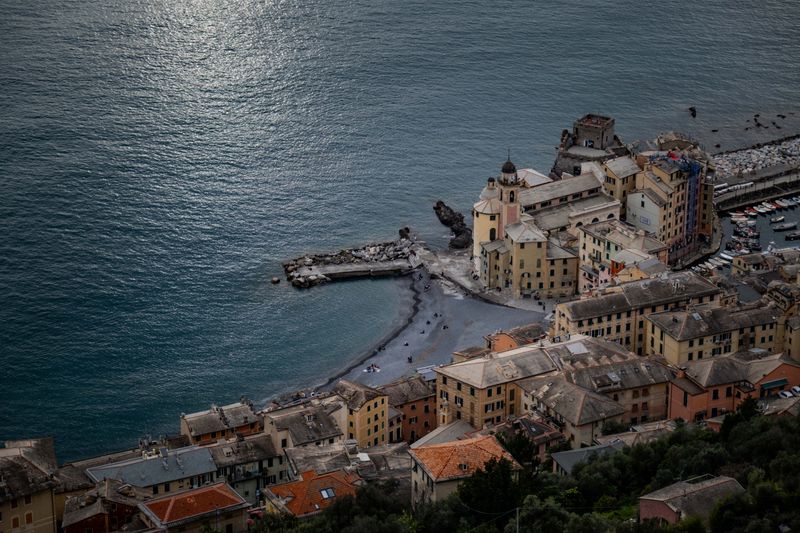
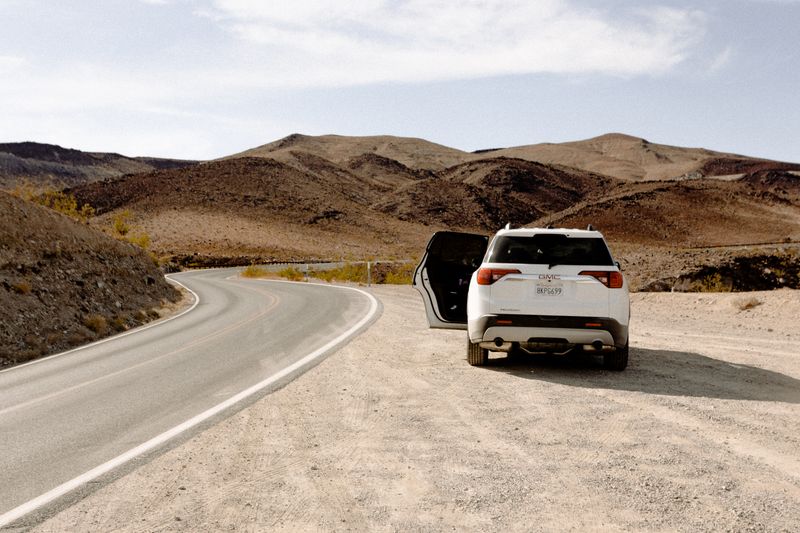
Near-Home Escapes
The two-hour radius nobody explores
Most people have seen far less of the area within two hours of home than of places a thousand kilometres away.
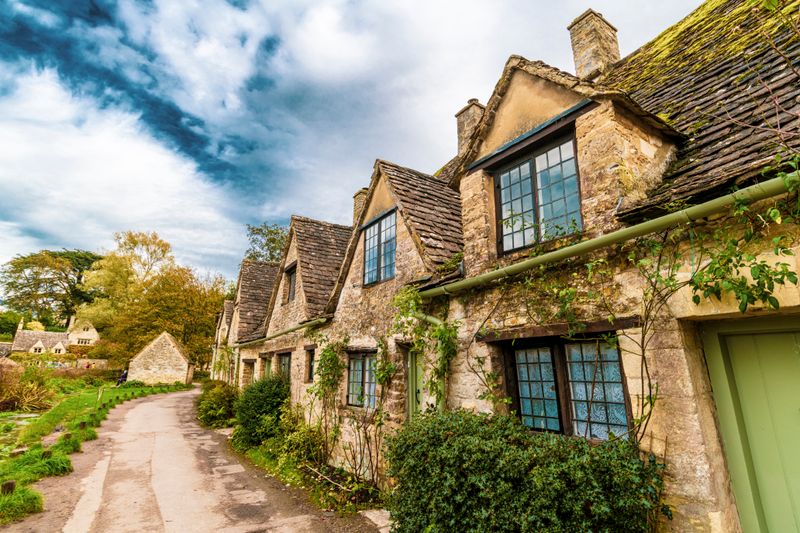
Everything below about the area near home comes from what actually happens rather than from what is supposed to.
What holds up in practice
- Proximity makes places feel already known when they are not.
- A short journey leaves almost the whole trip intact.
- Near destinations can be revisited, which changes how they are used.
Familiarity is usually assumed rather than earned
People routinely describe the area around them as having nothing in it, having visited very little of it. The assumption comes from proximity rather than from knowledge. Places at a distance carry an expectation of discovery that near ones do not, and the difference is in the expectation.
Approaching somewhere an hour away with the attention given to somewhere far usually finds more than expected.
The arithmetic is overwhelming
A journey of ninety minutes each way removes three hours from a two-night trip. The same trip with a four-hour journey each way removes eight, plus the surrounding logistics. That difference is a whole day of a short break, and it is available for nothing.
For anyone whose limiting factor is time rather than money, this is the single largest lever.
It removes the fragile parts
No early alarm, no check-in process, no baggage separation and far fewer points at which the trip can go wrong. The trip becomes robust in a way that a distant one cannot be. That robustness is what allows it to be planned lightly and enjoyed immediately.
It is also why near trips can be arranged at short notice.
Repeatability changes its nature
A destination you can reach easily can be visited several times, which allows depth that a single visit never reaches. It also removes the pressure to see everything, because there is always another visit. That pressure is what makes distant short trips exhausting.
Near trips are the only ones that can be genuinely unhurried.
How to find what is there
Regional rail and bus networks reach a great many places assumed to require a car. Looking at a transport map rather than a tourist map reveals a different and usually longer list.
For most people, long-distance walking routes, rivers, coastlines and regional markets are the usual starting points. The list of candidates is almost always longer than expected.
The honest limitation
Nearby places are less different, and difference is part of why people travel. For anyone wanting genuine unfamiliarity, a near trip does not substitute for a distant one. What it does is provide many good short breaks alongside fewer distant ones.
Presenting it as equivalent would be dishonest; presenting it as complementary is accurate.
Some of this will suit you and some will not, and that is the point.
The places you have only ever passed through
The strongest candidates near home tend to be the towns you have driven past or changed trains in for years, because knowing the bypass or the platform has quietly stood in for knowing the place. A junction town frequently has more to it than the destination it feeds, since it existed for a reason of its own long before anyone was travelling through it. It is also the easiest sort of trip to arrange, because you already know precisely how long the journey takes and what it involves at either end.
Where it helps most, getting off one stop early on a route you use regularly is close to a free experiment, and it costs an afternoon rather than a whole weekend.
The takeaway
Apply the attention you would give somewhere distant to somewhere ninety minutes away.
Small and repeatable beats ambitious and abandoned, almost every time.
Questions readers ask
Is somewhere an hour away really a trip?
If you sleep somewhere else and spend the days differently, yes. The sense of a trip comes from the change of pattern more than the distance.
How do I find places near home worth visiting?
Start from the transport map rather than a destination list, and look for coast, rivers, walking routes and market towns within your time radius.