Timing
When the clocks change during your weekend
One weekend a year gains an hour and another loses one. On a two-night trip that is a noticeable fraction of the time you bought.

The points below about clock changes are ordered by how much difference they make, not by how often they get repeated.
What matters most
- A clock change lands on a weekend and alters the length of one night.
- Countries change on different dates, so a trip can straddle two arrangements.
- Check the local time your transport actually departs rather than relying on a device.
An hour is a lot on two nights
Where seasonal clock changes apply, one weekend a year has a night that is an hour shorter and another has a night an hour longer. On a fortnight that is negligible, and on a two-night trip it is a measurable share of the sleep available. The shorter night is the one that causes trouble, because it lands on a Saturday and takes the hour from an evening people were using.
The longer night is a genuine bonus and is one of the better weekends of the year to be away. Knowing which of the two your dates fall on takes seconds and prevents an unpleasant surprise on a Sunday morning.
Countries do not change together
Not every country observes a seasonal change, and among those that do the dates are not universally aligned. That means a trip can begin in one arrangement and end in another, or cross a border where the usual offset has temporarily shifted.
The useful part is this: the time difference between two places can therefore be different during a short window than it is for the rest of the year. Because these arrangements are set by legislation and are periodically reviewed, verify the current position rather than relying on memory. Anybody coordinating with people at home during the trip should check the offset for the actual dates rather than the usual one.
Transport and the changeover
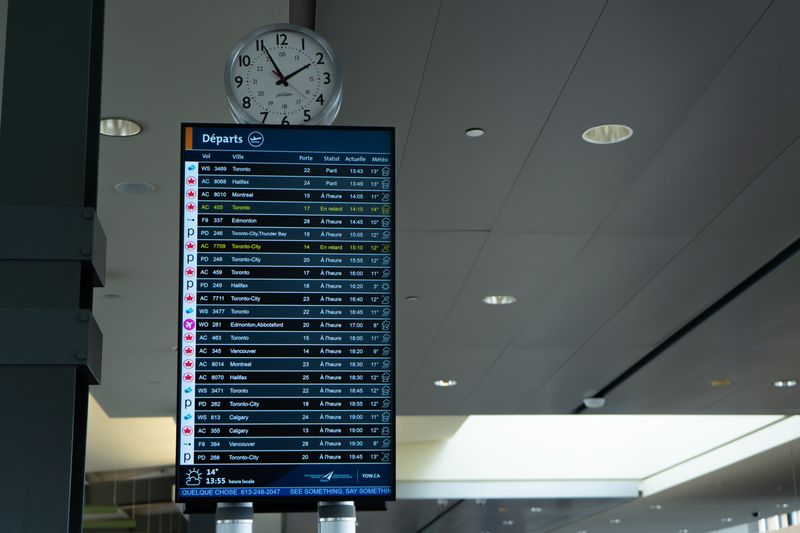
Timetables are published in local time, and a departure listed for a particular hour departs at that hour under whichever arrangement applies. Overnight services running across the change are the awkward case, since the journey is genuinely an hour shorter or longer.
Phones usually update automatically, but a device that fails to do so at exactly the wrong moment is a serious problem. Setting an alarm on more than one device, or asking at the accommodation, removes the dependence on a single automatic update. For an early Sunday departure on a changeover weekend, this is worth the small amount of care it requires.
The lost hour weekend
The weekend that loses an hour is the one to plan gently, particularly where a Sunday morning departure is involved. An extra hour of buffer, agreed the previous evening, converts a potential crisis into an ordinary morning. It is also worth moving anything scheduled for early Sunday later, since everybody involved will be an hour short of sleep.
Where a trip is being taken specifically to rest, this is a weekend to avoid unless the schedule is genuinely relaxed. The effect on how people feel is real, even though the amount of time involved sounds trivial when described.
The gained hour weekend
The opposite weekend is one of the few occasions when the timetable hands you extra time at no cost at all. An extra hour on a Sunday morning is unusually valuable on a short trip, because that morning is normally the thinnest part. It also arrives at a point in the year when daylight is shifting, which changes what the extra hour can be used for.
The useful part is this: deliberately choosing that weekend for a short break is a small optimisation that costs nothing to arrange. It is the only completely free hour available in the whole format, which makes it worth knowing the date.
Adjust the size of it until it is something you would actually do tired.
Building it into planning
The dates of any seasonal change in both countries are published well in advance and take a minute to look up. Adding them to the list of dates you check when choosing a weekend is a trivial extension of a habit worth having anyway. For destinations that do not observe any change, the offset from home shifts twice a year without anything happening locally.
That is the version most likely to catch people out, because nothing at the destination signals that anything has changed. Confirming the actual local time of your return departure, from the operator, is the check that resolves all of these cases.
Everything above, in order of what to do first
- An hour is a lot on two nights. Where seasonal clock changes apply, one weekend a year has a night that is an hour shorter and another has a night an hour longer.
- Countries do not change together. Not every country observes a seasonal change, and among those that do the dates are not universally aligned.
- Transport and the changeover. Timetables are published in local time, and a departure listed for a particular hour departs at that hour under whichever arrangement applies.
- The lost hour weekend. The weekend that loses an hour is the one to plan gently, particularly where a Sunday morning departure is involved.
- The gained hour weekend. The opposite weekend is one of the few occasions when the timetable hands you extra time at no cost at all.
- Building it into planning. The dates of any seasonal change in both countries are published well in advance and take a minute to look up.
The takeaway
Check which side of the changeover your weekend falls on before you book it.
The version you keep doing is the version that works.
Questions readers ask
Do flight times change when the clocks do?
No. Timetables are in local time, so a departure happens at the stated local hour. The journey itself is an hour shorter or longer if it crosses the change.
What if my phone does not update?
Set a second alarm and confirm the local time with your accommodation. On a changeover weekend, do not rely on one automatic update for an early departure.