Timing
Leaving the night before buys a disproportionate amount of trip
Travelling the evening before turns a two-day break into something closer to three, for the price of one evening.
Contributing writer, Fly Before Friday
Vikram writes about rail and road escapes that beat flying over short distances.
Contact Vikram through our contact page — mark your message for their attention and it will be passed on.
Timing
Travelling the evening before turns a two-day break into something closer to three, for the price of one evening.
Timing
The time you leave decides how the last day feels, how the second night is spent and whether the trip ends well.
Timing
A single day off can produce a whole extra day of a trip or almost nothing at all, depending entirely on where it is placed.
Travelling Light
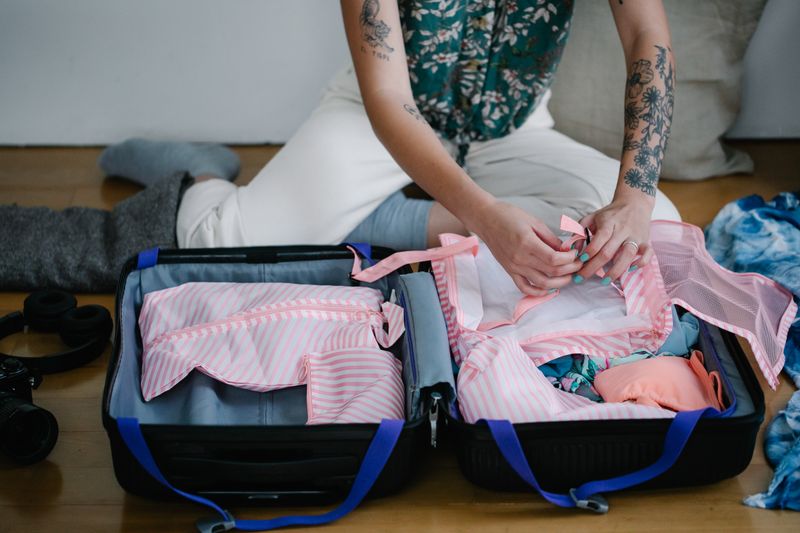
On a short trip the reason for travelling with one bag is not weight or cost. It is the twenty to sixty minutes at each end.
Travelling Light
The bag is not just storage. It sets how far you will walk, whether you will detour and how the first and last days work.
Travelling Light
On a two-night trip almost anything replaceable can be bought at the destination, which removes it from the bag entirely.
Travelling Light
A short trip has a known forecast and a known plan. That combination removes most of the reason to carry alternatives.
Travelling Light
Everything you acquire has to travel home in a bag that was packed full. The fix happens before you leave.
Travelling Light
The devices you bring decide how much of a short trip is spent elsewhere. That is a planning decision, not a moral one.
Travelling Light
A short trip is improved by the plans you make on the day. Whether you can make them depends on what you are carrying at the time.
Travelling Light
A weekend bolted onto a work trip is the cheapest short break there is. It is also the one most likely to become neither one thing…
Travelling Light
Two nights is short enough that unpacking is optional. Whether you do it changes how the room works and how the departure morning…