Travelling Light
The return bag is heavier than the outbound one
Everything you acquire has to travel home in a bag that was packed full. The fix happens before you leave.
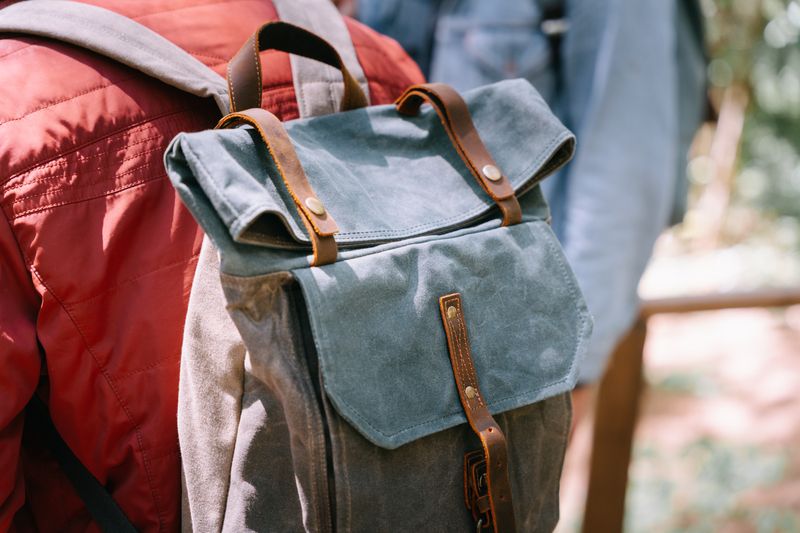
This works through the return journey bag in the order the parts actually depend on each other.
The short version
- A bag packed to capacity has no room for anything acquired.
- Allowances are checked in both directions and are often stricter on the return.
- Leaving deliberate space is easier than solving the problem at departure.
Trips accumulate
Food, a book, something for someone at home and whatever the destination is known for all arrive during the trip. None of them were in the bag on the way out, and all of them have to be in it on the way back. A bag that was exactly full is now over.
This is entirely predictable and is almost never planned for.
Leave the space at home
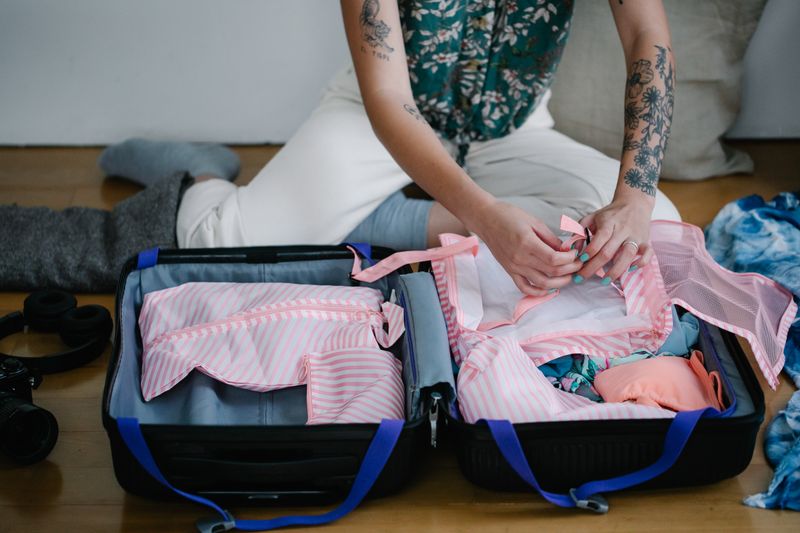
Deliberately packing to less than capacity is the only version of this fix that costs nothing. The alternatives all happen at the destination and all involve either buying something or leaving something behind. A quarter of the bag left empty covers most short trips comfortably.
Where it helps most, it also makes the outbound packing faster, which is a secondary benefit.
Allowances apply both ways
Restrictions on size and weight are enforced on the return as well as the outbound leg, and are sometimes applied more strictly at the destination. Anything acquired counts towards the same limit as everything else.
The useful part is this: this catches people who focused entirely on the outbound journey. Checking the limit once and packing to leave headroom handles both.
Some things cannot travel
Restrictions on food, plants, alcohol quantities and certain products vary by country and by direction of travel. These rules change and are enforced unevenly, so they need checking for your specific route rather than assumed. Discovering a restriction at the departure point usually means abandoning the item.
Two minutes of checking before buying something bulky avoids that.
Consumables solve it neatly
Anything eaten, drunk or used during the trip leaves space rather than filling it. That means the outbound bag can carry things that will not return.
It is a small trick and it genuinely creates room for the journey home. It also means fewer purchases at the destination for things you already own.
Decide what you are bringing back
Knowing roughly what you intend to acquire converts a vague problem into a specific space allowance. For a food-focused trip that might be a significant volume; for most trips it is very little.
Deciding in advance also prevents accumulating things you did not want. The bag is a constraint, and constraints improve decisions.
Sending it instead of carrying it
For anything bulky, heavy or awkwardly shaped, posting it home is a genuine option and is frequently cheaper than paying for extra baggage at a departure gate. It works best for something bought early in a trip, since a parcel sent on the first afternoon travels while you do and removes the problem from every transfer that follows.
The catch is that a package crossing a border falls under customs and duty rules that differ from what you may carry personally, so the two routes are not interchangeable. On a two-night trip this rarely comes up, which is itself informative, because a short break that produces a posting problem was probably a shopping trip wearing a disguise.
The takeaway
Pack the outbound bag three-quarters full. The return leg needs the rest.
Small and repeatable beats ambitious and abandoned, almost every time.
Questions readers ask
How much space should I leave?
Roughly a quarter of the bag covers most short trips. For a trip where you intend to buy food or similar, leave considerably more.
Can I take food home?
It depends entirely on the countries involved and the type of food. Rules vary and change, so check for your specific route before buying anything substantial.