Travelling Light
Overpacking costs time, not weight
The real price of a full bag on a short trip is paid in minutes and decisions rather than in kilograms.
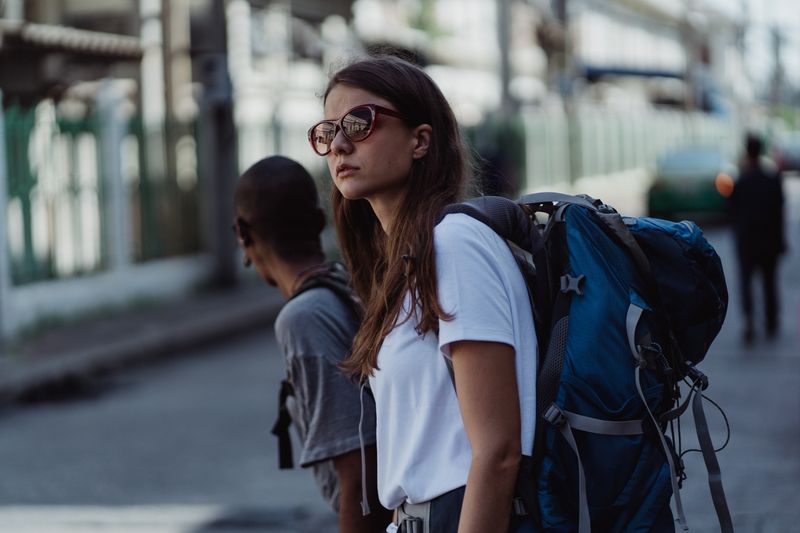
There is a short answer about the cost of overpacking and a useful one, and they are not the same. What follows is the useful one.
The short version
- A fuller bag slows every transition of the trip.
- More options mean more decisions during a trip that has no time for them.
- Two nights is too short for most contingencies to occur.
Every transition gets slower
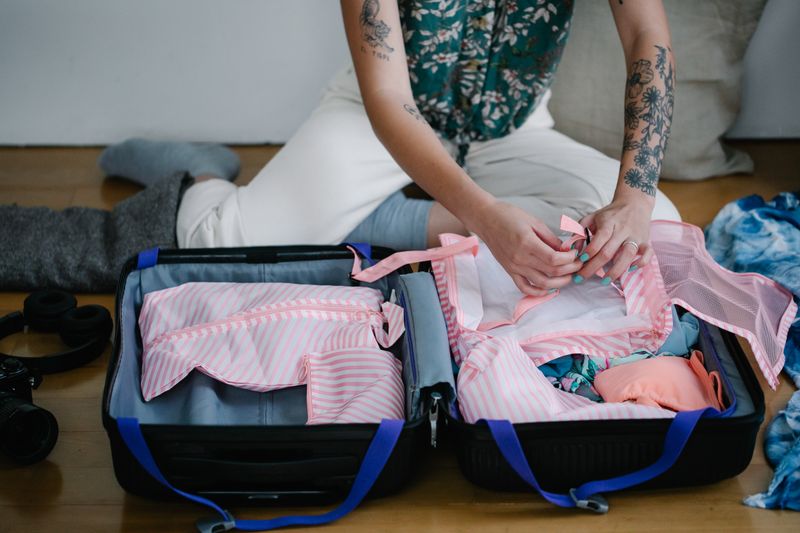
A full bag takes longer to open, repack and close, and a short trip involves several of those cycles. It also makes finding anything slower, which compounds each time. Individually these are minutes; across a compressed trip they are a visible loss.
The weight is rarely the actual problem.
Choice is a cost on a short trip
Carrying three options for each situation means making a decision each time rather than simply getting ready. On a trip with a dozen free hours, spending any of them deciding what to wear is a poor trade.
Fewer items means fewer decisions and a faster start each morning. This is the same principle that makes people wear the same thing on busy working days.
Contingencies need time to occur
Most of what gets packed defensively covers situations that would develop over days rather than hours. A two-night trip ends before the majority of them could happen. Packing for a week compressed into a weekend is the specific error.
The correct question is what could plausibly happen in about forty-eight hours.
It changes what the trip can do
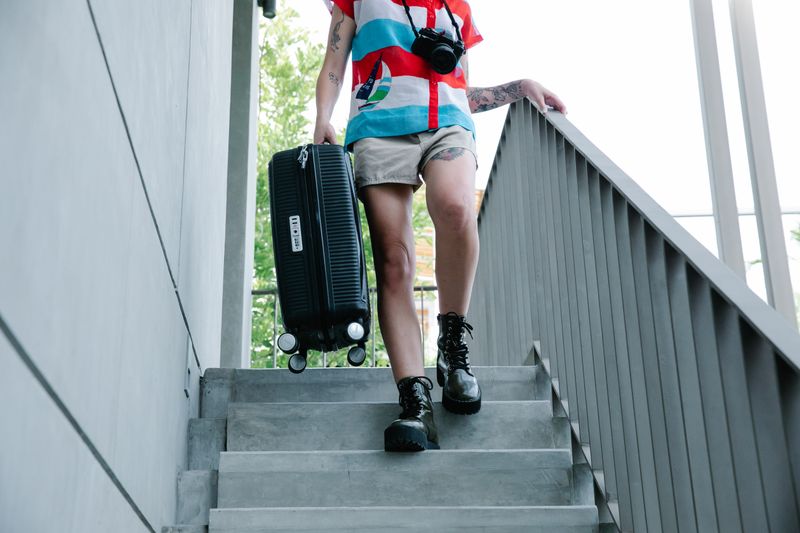
A heavy bag makes people take transport instead of walking, skip the arrival hours and cut the last morning short. Those are the three places where short trips lose their time. A lighter bag is therefore a scheduling decision disguised as a packing one.
That connection is what makes the subject worth taking seriously at this length.
The comfort of having everything
Some people genuinely travel better with more, and the anxiety of feeling underequipped is a real cost too. The point is to notice the trade rather than to follow a minimalist rule. Carrying one reassuring extra thing is very different from carrying eight defensive ones.
Where the bag is not slowing the trip down, there is no problem to solve.
Test it against the actual plan
Look at the two days you have planned and ask what each item is for. Anything that answers with a vague possibility rather than a specific hour can usually stay behind.
The useful part is this: this takes five minutes and works better than any rule about numbers of items. It also tends to reveal that the plan itself was overloaded.
Some of this will suit you and some will not, and that is the point.
When you pack is why you overpack
Most overpacking happens late at night before an early departure, when tiredness makes every item look like a reasonable precaution and nothing ever gets taken out again. Packing a day early, in daylight, against the actual plan produces a visibly smaller bag and a considerably better night before the journey.
In practice, a short reusable list, written after a trip rather than before one, does most of this automatically because it records what was genuinely used instead of what was feared. The list also removes the late-night worry about having forgotten something, which is one of the reasons the night before a trip is so reliably a poor one.
The takeaway
Pack for the hours you actually have, not for the week the trip is not.
Pick the one that costs you least, and let the rest wait.
Questions readers ask
Is there a rule for how much to take for two nights?
Rules generalise badly across climates and trip purposes. Testing each item against your actual plan works better than any list.
What if I need something I left behind?
For most ordinary items, buying one locally is quick and cheap. The exceptions are medication and anything genuinely hard to obtain.