Timing
What to do when the flight is cancelled
Passenger rights in several regions are stronger than airlines volunteer, and short breaks are where they bite hardest.

Comparisons of cancellations and delays usually pick a winner. This one picks the circumstances, which is more useful.
The difference in one place
- Rerouting and care obligations are separate from compensation.
- Extraordinary circumstances remove compensation but not the duty to reroute.
- Airlines rarely volunteer the full entitlement.
Three separate entitlements
Where passenger rights regulations apply, a cancellation typically triggers a right to rerouting or refund, a right to care while waiting, and sometimes a right to compensation. These are separate, and being refused one does not remove the others.
Airlines frequently offer a refund alone, which is the cheapest option for them and often not the best for you. Which regime covers you depends on where you departed from, where the airline is based and sometimes where you were heading, so the first thing to establish is which rules your particular flight falls under rather than the ones you happen to have read about.
Rerouting is usually the thing you want
On a short break, a refund is not much use — you wanted to be somewhere. Regulations in several regions require rerouting at the earliest opportunity, which can include another carrier.
Asking specifically for rerouting rather than accepting a refund is the practical step. Self-service rebooking inside an app will almost always offer that airline's own seats and nothing else, so where the rules permit rerouting on a different carrier you generally have to reach a person and ask for it in those words.
Care is owed while you wait
Meals, refreshments and, for overnight delays, accommodation and transport are typically owed regardless of the cause. Where the airline does not provide it, keeping receipts and claiming afterwards is the standard route. This applies even when compensation does not.
What counts as reasonable is not unlimited, and a modest meal and a nearby bed are met far more readily than a long taxi ride and an expensive dinner, so the safe approach is to spend as though you expect to justify every line of it.
Compensation depends on cause and notice
Extraordinary circumstances such as severe weather or air traffic control action generally remove compensation. Technical faults and crew shortages generally do not, though airlines sometimes claim otherwise. Notice period before departure also affects entitlement in several regimes.
Put simply, the reason given at the gate and the reason given in writing weeks later are not always the same, which is why a claim usually turns on what you recorded at the time rather than on what anybody told you while it was unfolding.
Document everything
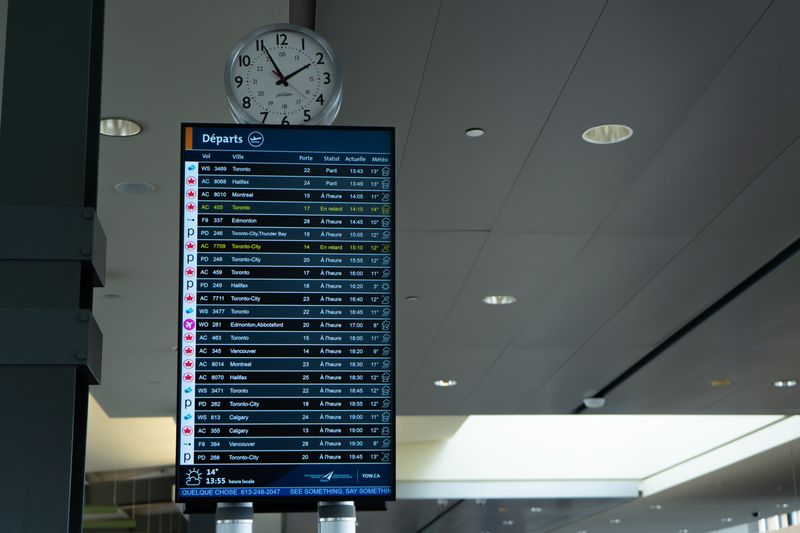
Photograph the departure board, keep boarding passes and receipts, and get the reason for cancellation in writing where possible. Claims are decided on evidence, and the burden of assembling it falls on you. National enforcement bodies and ombudsman schemes exist where an airline refuses a valid claim.
Put simply, time limits for bringing a claim vary considerably by country and are shorter than most people assume, and the agencies offering to do it for you take a share of an award you can generally pursue yourself with a few emails.
Before you reach the airport
Most disruption is visible before you leave home, because the aircraft due to operate your flight is usually somewhere else first, and one that has not yet arrived is not going to depart on time. Where widespread disruption is forecast, carriers frequently open a free change window in advance, and moving yourself voluntarily is far easier than being rebooked out of a queue after everything has collapsed. A cancellation caught at home is a completely different problem from one caught at a gate, because you still have your own bed, your bag unpacked and something to rebook on.
It is also the last point at which calling the trip off is still cheap, which deserves an honest thought on a two-night break where a day of delay removes most of the reason for going.
Side by side
| Consideration | What it means in practice |
|---|---|
| Three separate entitlements | Rerouting and care obligations are separate from compensation. |
| Rerouting is usually the thing you want | Extraordinary circumstances remove compensation but not the duty to reroute. |
| Care is owed while you wait | Airlines rarely volunteer the full entitlement. |
The takeaway
Ask for rerouting, keep every receipt, and get the reason in writing.
The version you keep doing is the version that works.
Questions readers ask
Does travel insurance cover cancellation by the airline?
Often only where the airline does not, and terms vary. Statutory passenger rights are usually the first route; insurance covers gaps such as onward bookings.
Can I book my own replacement flight and claim it back?
Sometimes, and it is risky — airlines frequently refuse. Ask them to reroute first and get any refusal in writing before booking independently.
Also by Hanne Jacobsen
- Second cities are usually the better weekendShort-Break Cities
- Choosing a place by its shape, not its highlightsShort-Break Cities
- How far away a two-night trip should beShort-Break Cities
- The arithmetic of a two-day breakTiming