Travelling Light
The first hours, before the room is ready
You arrive at eleven and cannot check in until three. What you do with those four hours decides how the whole first day feels.
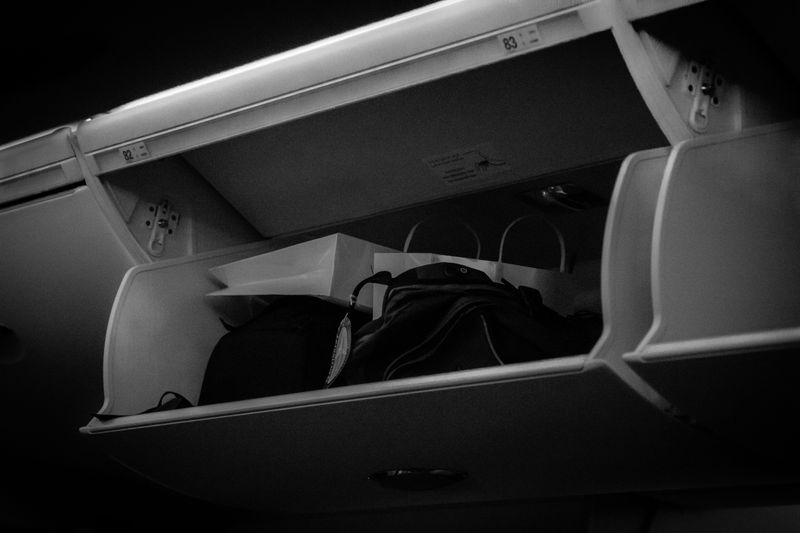
Both approaches to the arrival-day gap work. What differs is what they cost you, and the cost is what this sets out.
The difference in one place
- Early arrivals routinely land several hours before a room is available.
- A small bag turns that gap into usable time rather than a problem to solve.
- Ask about storing a bag when booking rather than on the doorstep.
The gap is predictable, so plan it
Check-in times exist because rooms have to be cleaned between guests, and an early arrival simply lands before that process finishes. On a short trip that gap frequently covers the most valuable hours of the arrival day, which are the ones nearest midday. Travellers who have not thought about it in advance usually spend them sitting in a lobby or wandering without purpose.
Travellers who have planned for it treat the gap as the first block of the trip, which it is. The difference between the two is entirely a decision made before departure rather than any difference in circumstances.
What size of bag makes it possible
A bag you can carry comfortably for a few hours converts the gap into an ordinary part of the day. A bag you cannot converts the same hours into a problem whose only solutions are storage, a taxi or waiting.
In practice, this is the practical argument for keeping the load small on a two-night trip, and it has nothing to do with charges. It is also why the shape of the bag matters as much as its weight, since something awkward is tiring long before it is heavy. The test is whether you would be willing to walk for half an hour with it, because that is what the gap often requires.
Storage, formal and informal
Most accommodation will hold a bag before check-in, and asking when booking rather than on arrival makes it a certainty rather than a favour. Stations and some city centres have lockers or staffed left-luggage, though availability varies and cannot be assumed on a busy weekend.
In practice, storage costs a journey each way, so it only pays if it is near your accommodation or on the route you were taking anyway. Anything valuable or irreplaceable should stay with you regardless of where the rest of the bag ends up. Because facilities open and close and arrangements change, confirm rather than relying on something that existed on a previous visit.
What the gap is good for
It is well suited to the orientation walk, which needs no booking, no queue and no particular energy after a journey. A long lunch works too, since it costs nothing in mobility and puts you somewhere comfortable while the room is prepared. It is a poor time for anything ticketed, because the arrival time is uncertain and a missed slot cannot be recovered.
Outdoor and open-air options are generally better than indoor ones, since they tolerate a bag and an uncertain finishing time.
The aim is something that would have been worth doing anyway rather than something invented to fill the time.
Early check-in and what it is worth
Some places will release a room early when one is available, and asking politely on arrival costs nothing. Where early check-in is offered for a charge, its value depends entirely on whether you would otherwise waste the hours.
Where it helps most, on a two-night trip a few recovered hours are a meaningful share of the whole thing, which changes that calculation. It matters most after an overnight journey or a very early flight, when the alternative is walking a city while exhausted. Where it matters, saying so when booking is more likely to produce a result than asking at the desk on the day.
Some of this will suit you and some will not, and that is the point.
The same problem in reverse
The departure day contains an identical gap between checkout and the journey home, and it is the more commonly wasted of the two. It is also more constrained, because there is a fixed deadline at the end and no room to let anything overrun. The same solutions apply, with the same dependence on whether the bag can simply come along without thought.
Planning both gaps at once, when the trip is booked, takes a few minutes and recovers most of a day across the weekend. On two nights those two gaps together are frequently larger than any single activity on the itinerary.
Side by side
| Consideration | What it means in practice |
|---|---|
| The gap is predictable, so plan it | Early arrivals routinely land several hours before a room is available. |
| What size of bag makes it possible | A small bag turns that gap into usable time rather than a problem to solve. |
| Storage, formal and informal | Ask about storing a bag when booking rather than on the doorstep. |
The takeaway
Plan the arrival gap before you leave, and it becomes the first block of the trip.
Pick the one that costs you least, and let the rest wait.
Questions readers ask
Will accommodation hold my bag before check-in?
Most will, but ask when you book rather than on arrival. Confirming it in advance turns a favour into an arrangement you can plan around.
Is paying for early check-in worth it?
After an overnight journey or a dawn flight, often yes. Otherwise the hours are usable anyway, provided the bag is small enough to carry.