Near-Home Escapes
Two nights without a car
A short break by public transport removes parking, driving and one whole category of stress. It also removes options, and that has to be planned for.

What follows is the working version of car-free breaks: the decisions in the order you actually meet them, with the reasoning attached.
Before you start
- Car-free breaks work where the destination is reachable and walkable on arrival.
- The last mile is where car-free planning succeeds or fails.
- Check weekend service frequencies, which are often thinner than weekday ones.
What going without a car actually changes
Driving occupies one person completely, and on a short trip that person spends a large share of the available hours working. Public transport converts those hours into time that can be spent reading, talking or sleeping, which changes what the journey costs.
It also removes parking, which in old town centres is frequently expensive, restricted and stressful to resolve on arrival. The cost is that you can only go where the network goes, and only at the times it chooses to run. That trade is favourable for city breaks and unfavourable for anywhere dispersed, which is the whole of the decision.
The last mile decides it
Getting to a town by train is usually straightforward, and getting from the station to somewhere five miles outside it often is not. That final stretch is where car-free plans fail, and it is the part people check last if they check it at all.
In practice, local buses may run infrequently, may not run at weekends and may stop early in the evening in rural areas. Taxis exist in most places but cannot be assumed to be waiting, particularly late at night or in small towns. Confirming the last mile before booking accommodation is the single most important step in planning a car-free break.
Choosing a destination that works
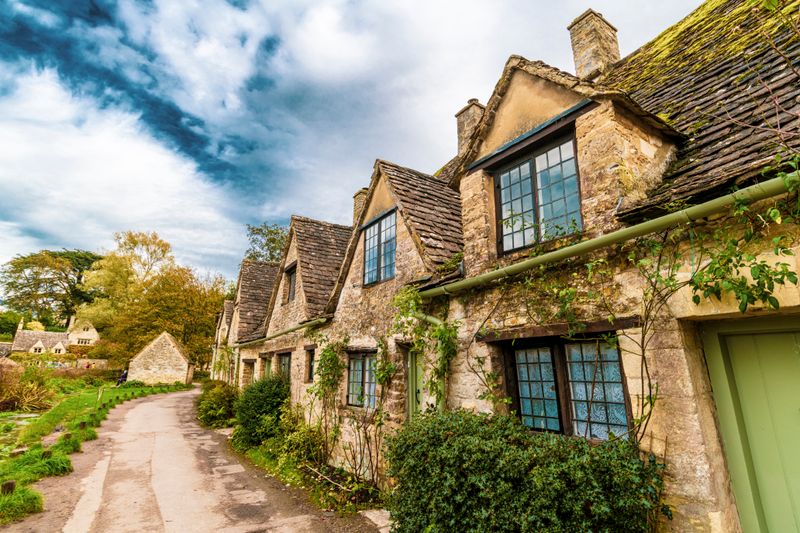
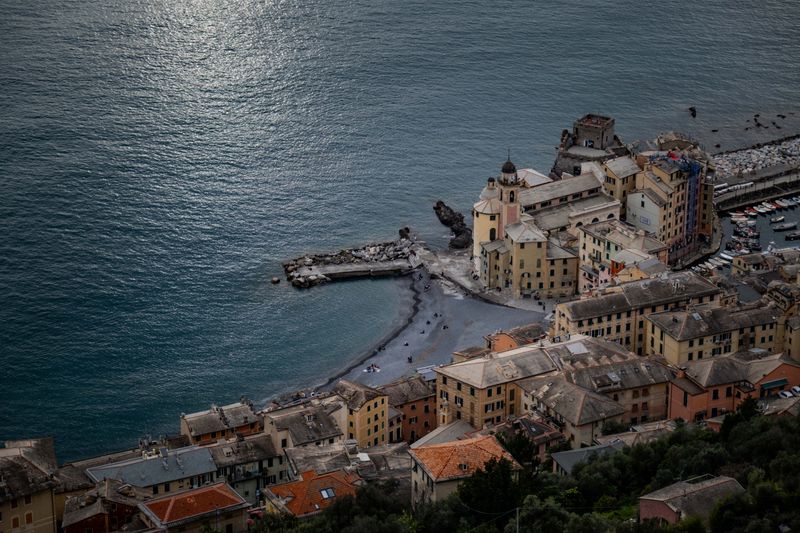
Somewhere with a station in or near the centre, and enough within walking distance to fill two days, is the ideal shape. Towns that grew around a railway usually have this, because they were built to be reached the way you intend to reach them. Places whose attractions are spread across a wide area are the hardest, since each one requires its own journey.
The useful part is this: a destination where you can walk out of the station and start the trip immediately is worth more than a more interesting one you cannot. For a two-night break, that immediacy is not a convenience but most of the value of the format.
Weekend timetables
Public transport frequencies frequently drop at weekends, which is precisely when short-break travellers need them. Sunday services are often the thinnest of the week, and the last departure can be much earlier than on a weekday.
Put simply, engineering work is also concentrated at weekends, so a route that works on paper may be replaced by a slower alternative. Checking the actual timetable for the actual dates, rather than the general pattern, removes almost all of this risk.
Where the return journey depends on a single service, treat that as a constraint rather than a detail.
What you gain on the ground
Without a car, the trip is walked, and walking is how a place actually gets seen rather than passed through. You also end up in the centre rather than in a car park on the edge, which changes what the day contains.
Drinking with a meal stops being a logistical question, which for many people is a substantial part of a weekend away. Nobody has to be the driver, which removes an asymmetry that quietly shapes how a trip with two people works. These are real benefits rather than consolations, and for city breaks they usually outweigh the loss of flexibility.
None of this is a substitute for talking to a clinician if something feels wrong.
When a car is genuinely better
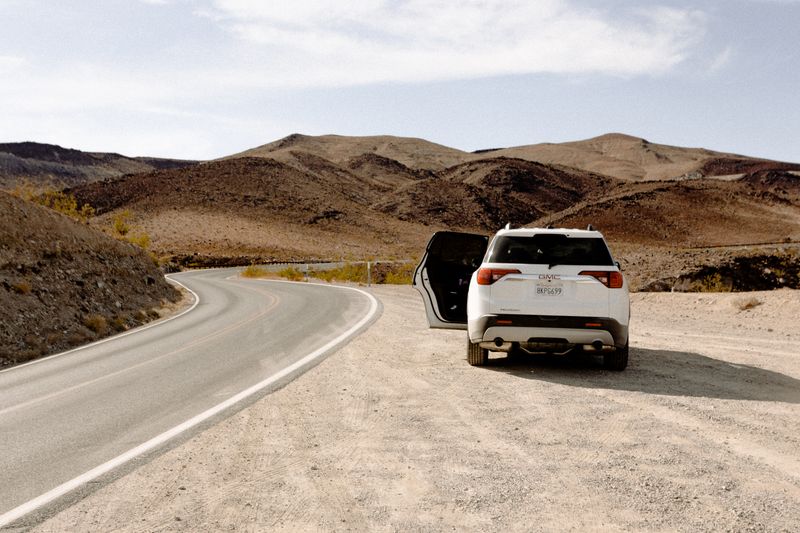
Dispersed destinations, remote areas and anywhere with poor local transport are cases where the car is simply the right tool. Travelling with small children, with a lot of equipment or with anybody who cannot walk far also shifts the balance. A car can be hired at the destination for one day, which combines a car-free journey with car-based flexibility on the ground.
That hybrid frequently produces the best version of a rural short break and is under-used relative to how well it works. The decision should follow the shape of the destination rather than a general preference for one mode over another.
The takeaway
Check how you get from the station to the door before you book the door.
Pick the one that costs you least, and let the rest wait.
Questions readers ask
What is the biggest risk in a car-free break?
The last mile from the station to where you are staying. Check it before booking, including whether buses run in the evening and on Sundays.
Can I do a rural break without a car?
Sometimes, and a day of car hire at the destination often works better than either extreme. It depends entirely on how dispersed the area is.