48 Hours
The morning is the most valuable block on a short trip
The hours before ten belong to whoever is awake for them. On a two-night trip that is the difference between seeing a place and queueing for it.

There is a short answer about early mornings away and a useful one, and they are not the same. What follows is the useful one.
The short version
- Crowds build through the morning, so an early start buys a quieter version of the same place.
- An early start also lengthens the single full day at the end that matters least.
- Getting out before breakfast, and eating later, protects the best hours.
Why mornings are different
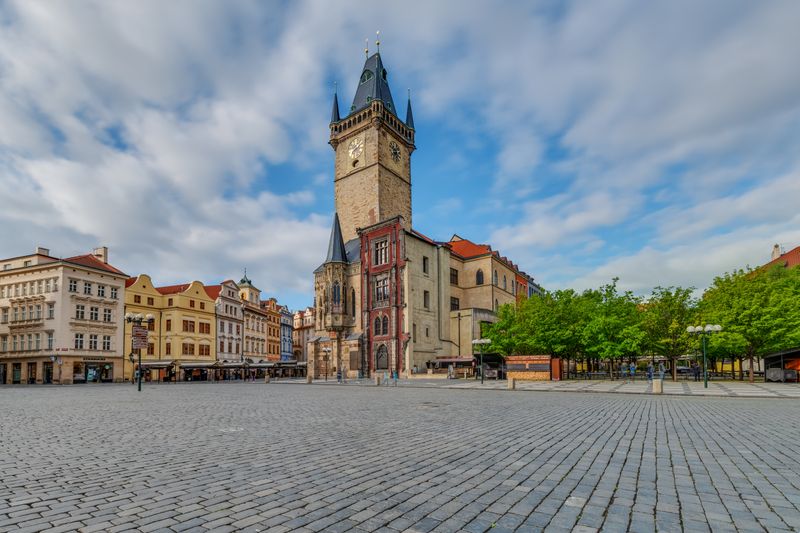
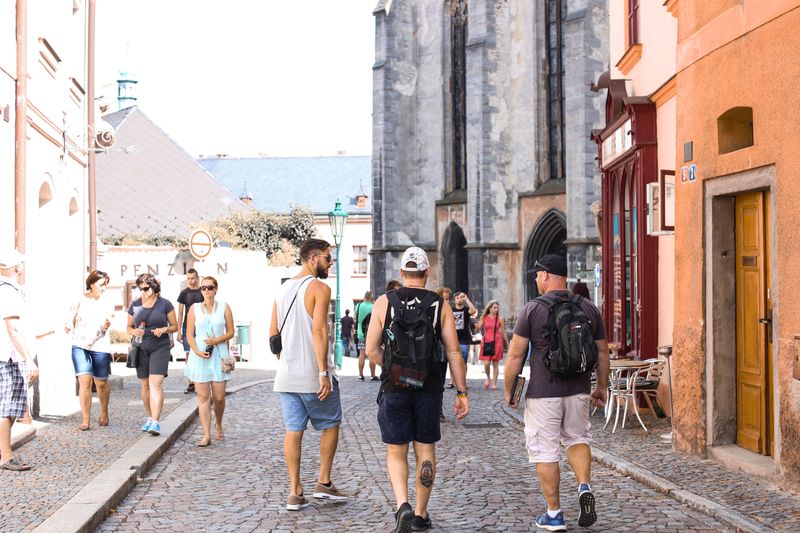
Visitor numbers at most popular sites climb steadily from opening, which means the same place offers a different experience at different hours. The early part of the day is quieter for structural reasons, since a large share of visitors are still eating breakfast in their accommodation. That gap is reliable and repeats every day, so it can be planned around rather than hoped for.
Light is generally better early as well, which matters if any part of the trip involves looking at buildings or landscape. None of this requires any special access or booking, only a decision made the night before about when the day starts.
The full day is where it pays
A two-night trip usually contains one genuinely complete day, and how that day starts determines how much of it exists. Starting at eight rather than ten does not add two hours to the day; it adds two of the best hours to the day. The equivalent time at the other end is spent in a city that is busy, tired and closing, which is worth considerably less.
Where it helps most, this is the cheapest way to make a short trip feel longer, and it costs nothing except the decision to get up. It is also the only lever that remains available after the flights are booked and the accommodation is fixed.
Breakfast is negotiable
The conventional order of the morning puts a long breakfast before any activity, which spends the best hours sitting indoors. Reversing it, and going out first, converts that period into time in the place and moves eating to a less valuable hour.
For most people, something bought the previous evening removes the need to find anywhere open early, which in some cities is genuinely difficult. For travellers who cannot function without a proper breakfast, the alternative is choosing accommodation where it is served early rather than well. The general principle is that anything you can do at any hour should not be done during the hours that are scarce.
Arrival and departure mornings
The morning after a late arrival is the one most often lost, because tiredness and disorientation combine to push the start later. Deciding the night before exactly where you are going first removes the deliberation that otherwise consumes that morning.
The departure morning is usually written off entirely, but a checkout followed by a stored bag can recover several usable hours. That recovery depends on the return flight, which is why a late return is worth more than its price difference suggests.
Between the two, the arrival morning is the more recoverable, since the departure morning is constrained by a fixed deadline.
Places where mornings are the point
Markets, working districts and residential neighbourhoods operate early and are at their most characteristic before visitors appear. In hot climates the morning is also the only comfortable part of the day, and the rest of the schedule has to accommodate that.
Some sites open early specifically to spread demand, and those opening slots are frequently the least contested part of their day. Religious buildings often have hours when they function as places of worship rather than as attractions, which requires care and respect. Where local customs govern access at particular times, follow the guidance given at the door rather than assumptions from elsewhere.
Adjust the size of it until it is something you would actually do tired.
Making it actually happen
The obstacle is rarely the alarm; it is that nobody agreed the night before what the morning was for. Naming a place and a time before going to sleep converts an intention into a plan that survives contact with a tired group. Preparing anything that would otherwise be done in the morning, from tickets to directions, removes the friction that produces delay.
Put simply, an early start also has to be paid for with an earlier night, which is a genuine trade rather than a free gain. For a trip with only one full day in it, that trade is almost always worth making once.
The takeaway
Decide the night before what the morning is for, or the morning will decide for you.
Pick the one that costs you least, and let the rest wait.
Questions readers ask
Is one early morning enough?
On a two-night trip, usually. Apply it to the single full day, where the gain is largest, and let the other mornings be gentler.
What if the group will not get up?
Go alone and meet them later. An agreed reconvening point costs nothing and stops the earliest riser losing the hours as well.