Travelling Light
Soft Bags Fit Where Hard Ones Do Not
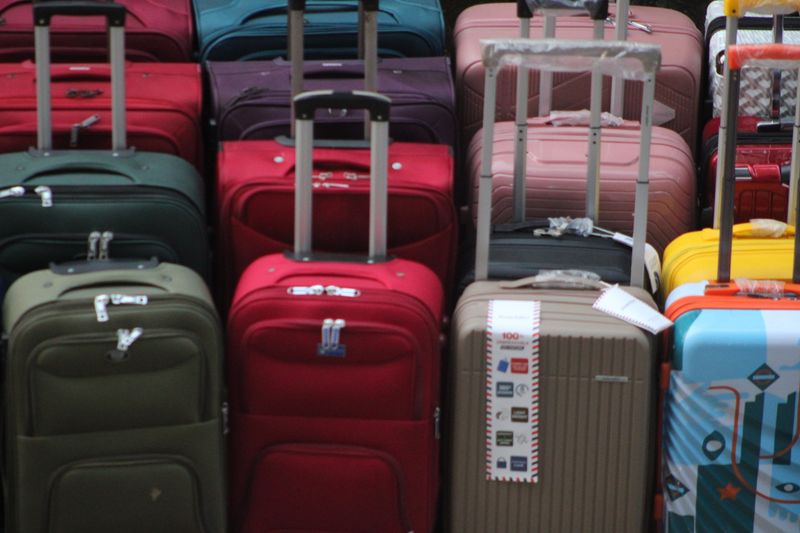
A shell that cannot deform must fit the sizer exactly, while a soft bag borrows space from whatever is around it, which changes how strict a size limit feels.

Two bags of the same stated dimensions behave differently at a gate. The difference is whether the bag can change shape, and it decides which one is measured and which one is not.
Sizers test the outside, not the volume
A cabin baggage gauge is a fixed frame. What passes is whatever fits inside it at that moment, regardless of how much the bag holds.
A soft bag compresses under hand pressure, so a slightly overfull one still goes in. A hard shell either fits or does not, and no amount of pushing changes it.
The same applies under a seat and in a full overhead locker, where the available space is irregular and already partly occupied.
What a hard shell is actually for
Rigid cases protect their contents and they keep their shape when packed loosely, which makes them good for fragile items and for wheeling long distances.
They also resist rain and they stack, which matters on longer journeys with multiple legs. None of those advantages is worth much over two nights with a small bag.
Where soft bags lose
A soft bag rewards being packed properly and punishes being packed carelessly, because its shape comes entirely from what is inside it.
Underfilled, it sags and becomes awkward to carry. Overfilled, it bulges into a shape that no longer resembles its stated dimensions and can attract attention at the gate.
They also offer no protection. Anything breakable has to be padded by the clothing around it, which is a packing decision rather than a feature of the bag.
The handle decides more than the material
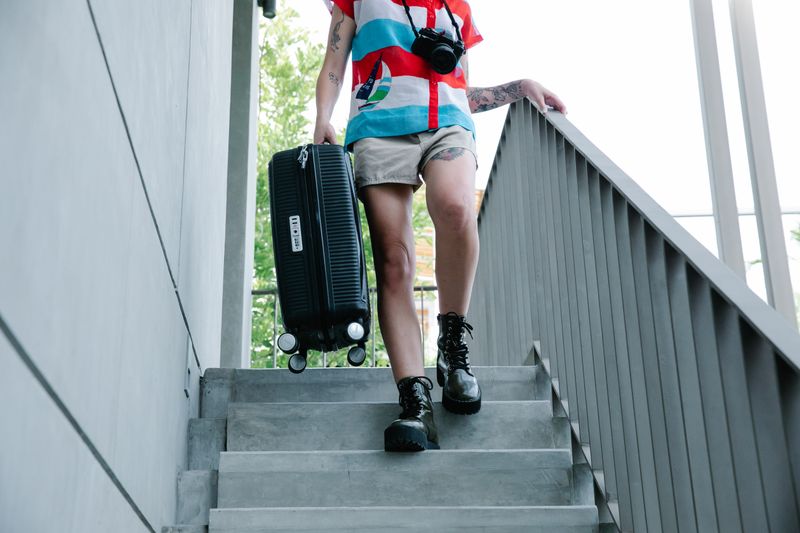
Over a short trip the bag spends most of its time being carried rather than rolled, particularly on stairs, cobbles and public transport.
A bag with usable shoulder straps as well as a grab handle can be carried in whichever way the ground demands. Wheels are excellent on flat concourses and close to useless everywhere else.
Sizing against the strictest carrier
Cabin allowances differ by airline and change, and the smaller free allowance is now common on short-haul routes.
Buying a bag to the tightest limit you are likely to face rather than to the most generous one removes the problem permanently. A soft bag at that size is comfortably enough for two nights and never needs to be measured at all.
Questions readers ask
How far ahead is a forecast reliable?
The broad picture holds well over a couple of days and degrades noticeably beyond a week. A two-night trip fits inside the dependable range.
Should I rebook if the weather looks poor?
If the trip is outdoors and the outlook is genuinely bad, moving it usually beats enduring it, which is easier when accommodation terms are flexible.