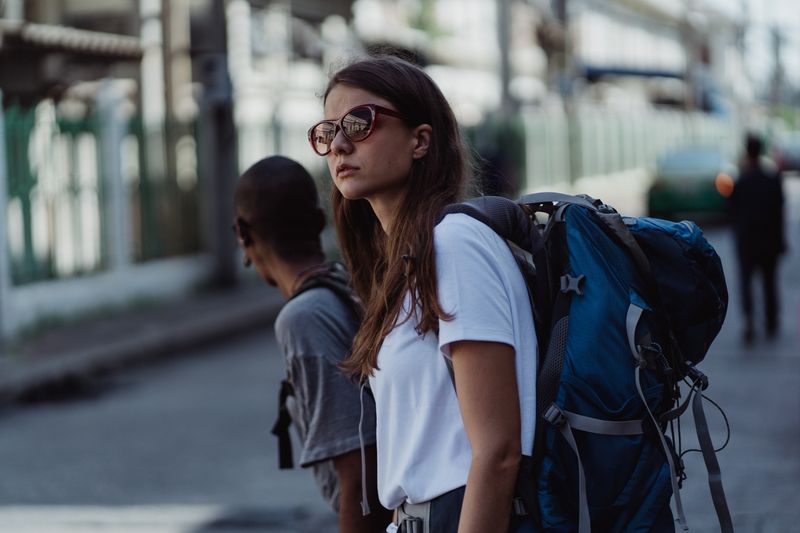
Travelling Light
Packing For Weather You Might Not Get
Contingency clothing is the largest source of unnecessary weight on a short trip, and the decision improves sharply once the forecast is short enough to trust.
Most overpacking on a two-night trip is not indulgence but insurance. The bag is filled with items for conditions that are possible rather than expected.
The short trip has an advantage here
A forecast two or three days ahead is genuinely informative, whereas one for a fortnight is close to useless. A two-night trip is packed entirely inside the reliable window.
That means a short break can be packed to the actual weather rather than to the season's range, which is the single largest reduction available.
The advantage is lost by packing early. Deciding a week ahead throws away the information and reintroduces every contingency item.
Layers replace alternatives
Contingency packing usually means two versions of the same garment for different temperatures. Layering covers the same range with items that are all used.
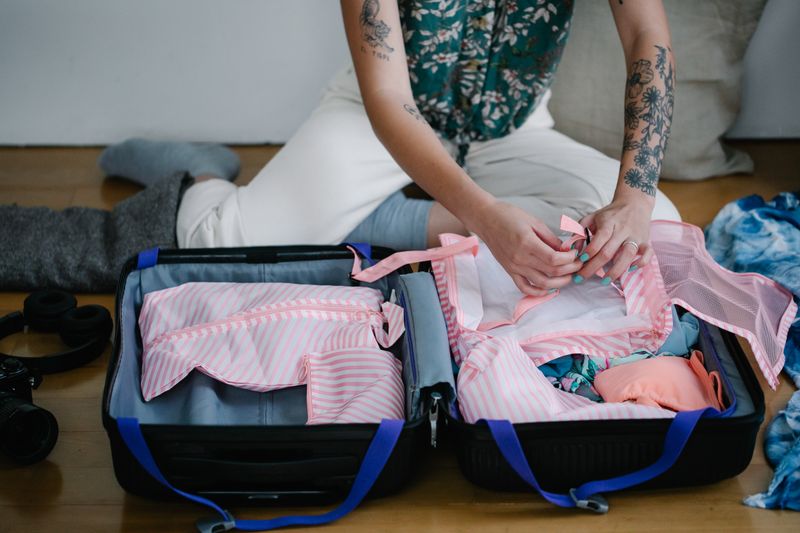
Three thin layers span a wider band than one thick one, and they occupy less space because thin fabrics compress. The warmest configuration is the one being worn on the journey.
Rain is the exception worth carrying
A waterproof shell is the one contingency item that earns its place, because there is no substitute available on the day and no way to work around being wet.
It is also light and compresses to very little, so the cost of carrying it unused is close to nothing. That combination is rare and it is why the rule does not generalise.
Umbrellas do part of the job and are the thing most easily bought at the destination if needed, which makes them a poor use of packed space.
Cold weather changes the arithmetic
Winter clothing is bulky and the bulkiest item should be worn rather than packed. A coat carried is dead volume; a coat worn costs nothing at all.
Extremities are where cold trips actually fail, and hat, gloves and warm socks weigh very little. Those are the contingency items to keep when the coat has to be worn.
What the spare is really covering
It is worth asking what each contingency item is protecting against. Frequently the answer is an inconvenience that could be solved at the destination for a small amount of money.
Anything replaceable in an ordinary shop is a candidate for leaving behind. What stays in the bag is the small set of things that would genuinely damage the trip if the weather turned and they were absent.
Questions readers ask
How far ahead is a forecast reliable?
The broad picture holds well over a couple of days and degrades noticeably beyond a week. A two-night trip fits inside the dependable range.
Should I rebook if the weather looks poor?
If the trip is outdoors and the outlook is genuinely bad, moving it usually beats enduring it, which is easier when accommodation terms are flexible.