Timing
Sunset Time Matters More Than Temperature
How much of a short break happens in daylight depends on latitude and season rather than on the weather, and the difference between destinations can be several hours a day.

People choose the season of a short break by temperature, then find the trip constrained by something else entirely. The length of the usable day is set by daylight, not by warmth.
Latitude decides the swing
The further from the equator a place is, the more its day length varies through the year. Near the equator the difference between midsummer and midwinter is slight; far north it is dramatic.
Two cities at similar temperatures in the same week can therefore offer very different amounts of daylight. The colder one is not necessarily the darker one.
On a two-night trip the effect compounds, because it applies to both full days. A three-hour difference in day length is most of a sightseeing session.
Sunset governs what is open
Outdoor sites, gardens, viewpoints and archaeological areas typically close at or before dusk, and their hours move with the season rather than staying fixed.
Indoor institutions follow more slowly, but many still shut earlier in winter. A city's published opening times in one season are a poor guide to another.
This is why a winter afternoon disappears faster than the clock suggests. The day ends at closing time, and closing time has moved.
Time zones shift the daylight within the day
Time zones are wide, so places at the same longitude edge can experience sunrise more than an hour apart on the clock. Somewhere near a zone's western edge has late light in the evening and dark mornings.
For a short trip the evening end is what matters, since mornings are usually spent getting going. A destination with late light gains usable hours at the useful end.
Planning around the light rather than the forecast
The practical step is to check sunrise and sunset for the actual dates, then build the day inside that window. Everything outdoor goes early, and the evening takes whatever needs no daylight.
Winter trips work better when the anchor is indoors and the walking is arranged around it. Summer trips can invert that, since long evenings absorb activity that would otherwise crowd the afternoon.
Where cold is genuinely the constraint
Temperature matters when it interrupts, rather than when it is merely low. A place where a walk must be broken every twenty minutes for warmth loses far more time than one that is simply chilly.
That is why cities with dense indoor options handle winter well while dispersed ones do not, and it is a different question from how many hours of light the season provides.
Questions readers ask
Is it worth taking a day of leave?
Frequently. One day of leave attached to a weekend can nearly double the usable time, which is a better return than most fare savings.
How early should I arrive at the airport?
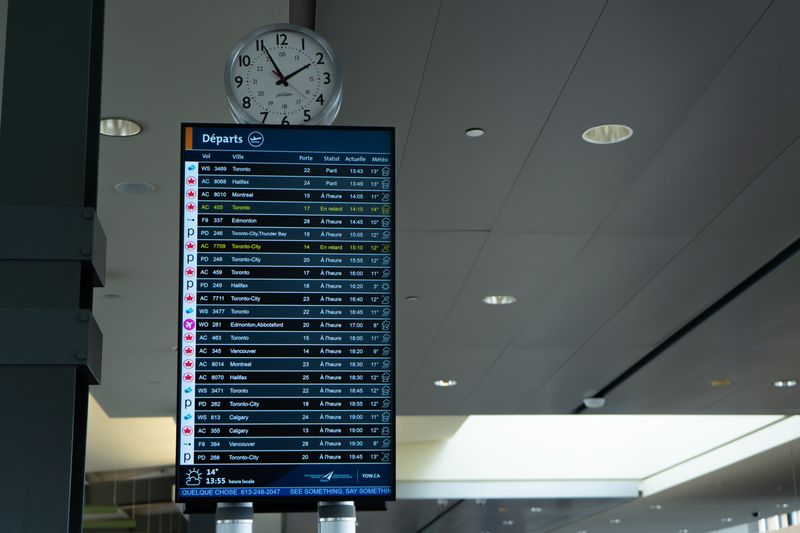
Follow the airline guidance, and remember that time spent waiting is time removed from a short trip. Hand luggage only is the main lever here.
Also by Priyanka Sethi
- Hand luggage only, for two nightsTravelling Light
- Cities that reward a weekend, and cities that punish oneShort-Break Cities
- Arriving late and leaving early without wasting the trip48 Hours
- The near-home break that beats flyingNear-Home Escapes