Timing
The weekend is not the same two days everywhere
Short-break advice is written as though everyone has the same days off. Travelling to somewhere with a different rhythm changes the trip.
The points below about the working week are ordered by how much difference they make, not by how often they get repeated.
What matters most
- Non-working days differ by country, and in several the weekend is not Saturday and Sunday.
- Local quiet days affect opening hours, transport and prices.
- Travelling against the local pattern is often quieter and cheaper.
The assumption is not universal
The pairing of Saturday and Sunday as the non-working days is common in many countries and is not global. In several countries the weekend falls on different days, and in some regions the working week is arranged differently again. Advice that assumes one pattern silently fails for readers and destinations that use another.
The safe approach is to check the destination pattern rather than to import your own.
It changes what is open
The quiet day at your destination may not be the quiet day at home, which affects shops, offices, transport and some attractions. Religious observance also shapes opening hours and behaviour on particular days in many places. Checking the local rhythm for your specific dates removes the most common cause of an unexpectedly closed day.
In practice, it also tells you when markets and public life are at their most active.
Prices follow local demand
Accommodation prices at a destination generally peak on its own busy nights, not on yours. Where the local pattern differs from yours, there is often an unusually good combination of your free days and their quiet ones.
Business-oriented destinations invert this, being expensive midweek and cheap when nobody is working. Understanding which type of destination you are visiting predicts prices better than any booking rule.
Transport frequency shifts too
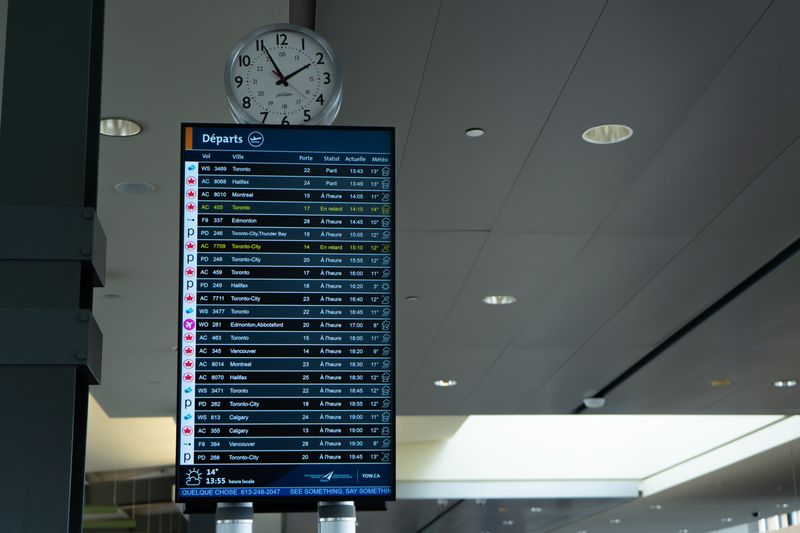
Services are usually thinner on local non-working days, and that can affect the arrival or departure of a short trip badly. It also affects the last connection of the night, which matters for evening arrivals.
Checking the timetable for the actual day rather than a typical weekday is a small step that prevents a large problem. This is most acute at smaller places with few services.
Travelling against the pattern
Going somewhere on its quiet days generally means fewer crowds, easier tables and lower prices. It also means fewer things happening, which is a genuine trade rather than a pure gain. Which side of that trade you want depends on whether you came for activity or for calm.
Either way it should be a decision rather than a surprise.
Your own pattern is the starting point
Anyone working shifts, part-time or a compressed week has free days that do not align with general demand. That is a substantial advantage in cost and crowding and it is rarely presented as one.
The useful part is this: the general advice about weekend breaks needs translating rather than following for these readers. The underlying principle is the same: travel in your free hours, not in your useful ones.
None of this is a substitute for talking to a clinician if something feels wrong.
Some weeks change through the year
A number of places run different hours in summer and winter, with offices and shops closing earlier through the hottest months and public life moving into the evening instead. Religious calendars move against the civil one in several traditions, so the same date in consecutive years can produce quite different opening hours and a quite different atmosphere. School terms do the same at a slower rhythm, changing which days are busy and how full the transport runs without altering the official calendar at all.
For most people, none of that is visible in a general description of a country, which is why the check has to be made for your specific dates rather than for the destination in the abstract.
Everything above, in order of what to do first
- The assumption is not universal. The pairing of Saturday and Sunday as the non-working days is common in many countries and is not global.
- It changes what is open. The quiet day at your destination may not be the quiet day at home, which affects shops, offices, transport and some attractions.
- Prices follow local demand. Accommodation prices at a destination generally peak on its own busy nights, not on yours.
- Transport frequency shifts too. Services are usually thinner on local non-working days, and that can affect the arrival or departure of a short trip badly.
- Travelling against the pattern. Going somewhere on its quiet days generally means fewer crowds, easier tables and lower prices.
- Your own pattern is the starting point. Anyone working shifts, part-time or a compressed week has free days that do not align with general demand.
The takeaway
Check the destination working rhythm rather than assuming it matches your own.
Pick the one that costs you least, and let the rest wait.
Questions readers ask
Which days are cheapest to travel?
It depends on the local pattern at both ends and on whether the destination serves business or leisure demand. There is no universal cheap day.
Do I need to check public holidays at the destination?
Yes. They differ by country, some move each year, and they affect opening hours and transport far more than most visitors expect.
Also by Hanne Jacobsen
- Second cities are usually the better weekendShort-Break Cities
- What to do when the flight is cancelledTiming
- Choosing a place by its shape, not its highlightsShort-Break Cities
- How far away a two-night trip should beShort-Break Cities