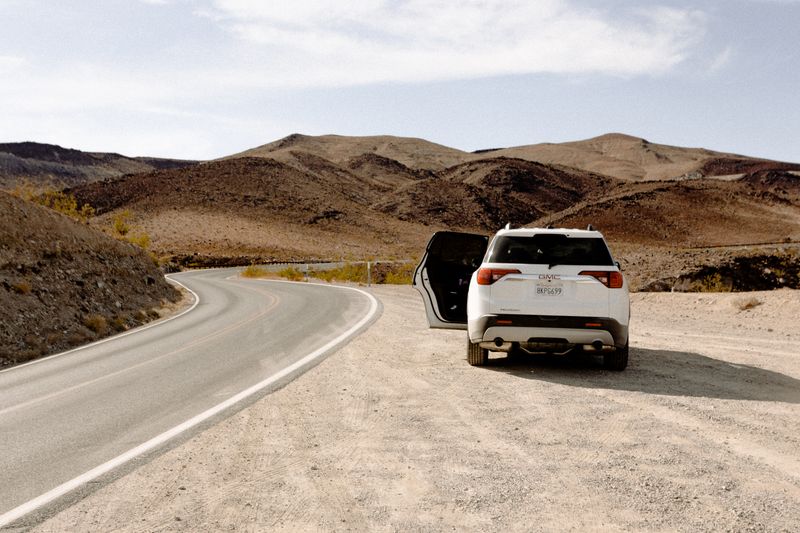
Near-Home Escapes
The same place in four different seasons
Returning to one nearby destination through the year produces something no set of single visits can.
What follows is the working version of seasonal repeat visits: the decisions in the order you actually meet them, with the reasoning attached.
Before you start
- A place in winter and summer is functionally two destinations.
- Repeat visits remove all planning and orientation cost.
- It works best where the destination has a real seasonal character.
Seasons change a place more than distance does
A coastal town in August and in February differ more than two similar towns in the same month. Light, temperature, opening hours, who is there and what is possible all change together.
Visiting the same place across seasons therefore delivers variety without additional travel. For anyone trying to travel less far, this is the most direct substitute for going somewhere new.
The planning cost falls to zero
By the second visit the journey, the base and the geography are known. That removes the research, the orientation and most of the decisions, which is a large share of what makes short trips tiring. What remains is the trip itself.
In practice, this is why repeated near trips can be taken on tired weeks when a new destination could not.
Depth accumulates
Knowing where things are means noticing what has changed, which is a different and more interesting kind of attention. It also means finding the parts of a place that a first visit never reaches. Over several visits somewhere ordinary becomes genuinely interesting.
That trajectory is not available to a traveller who never returns anywhere.
Choosing the right place for it
The destination needs a real seasonal difference and enough substance to hold repeat attention. Somewhere whose appeal is a single view or a single event does not sustain four visits. Coast, hills, rivers and working towns generally do, because they change with the season and have their own life.
A place that only exists for visitors in summer is a poor candidate.
Off-season is where it gets interesting
The visits that reveal most are usually the ones outside the obvious season, when the place is running for itself. Those are also the cheapest and quietest visits, which is a rare alignment.
In practice, the trade is reduced opening and shorter days, which needs checking rather than assuming. For a place you already know, that reduction matters far less.
It is not the same as never going anywhere new
Anchoring on one familiar place does not preclude distant trips; it changes what the short ones are for. Using near repeat visits for frequency and distant trips for novelty is a coherent pattern.
It also concentrates the long journeys into fewer, longer trips, which helps on cost and carbon. The two kinds of travel do different jobs and both are worth having.
You stop being a stranger there
By the third or fourth visit to somewhere small, the person at the counter and the person at the desk know your face, which changes the quality of what you get told about the place. That is where the useful information lives — what has opened, what is worth walking to this month, which day the boat is actually running — and none of it appears anywhere you could have researched from home.
In practice, it changes the trip practically too, because a room held back for you, a table found on a full evening or a lift to the start of a path are things that happen to returning visitors and not to new ones. That is the part of travelling a lifetime of single visits never produces, and it is available an hour from home rather than only on the far side of the world.
The takeaway
Pick one nearby place with a real seasonal character and go back through the year.
The version you keep doing is the version that works.
Questions readers ask
Does the same place get boring?
Repeating the same visit does. Changing the season, the base or what you do there keeps it fresh while the logistics stay known.
How many visits before it stops being worth it?
There is no rule, and the visits that reveal most are usually the second through fifth. After that it depends on how much the place actually changes.
Also by Lukas Vogel
- The near escape: two nights without a planeNear-Home Escapes
- The cost per usable hour on the groundFares & Booking
- When a short trip is not worth takingFares & Booking
- What two nights away costs beyond the ticketFares & Booking