Near-Home Escapes
Camping For One Night Is Mostly Setup
The fixed effort of pitching, cooking and packing away does not shrink with the length of the trip, which makes a single night the least efficient way to camp.

A one-night camping trip carries the same equipment and the same work as a week-long one. Understanding where that effort goes explains why the format can feel disproportionate, and when it is nonetheless worth it.
The overheads are fixed
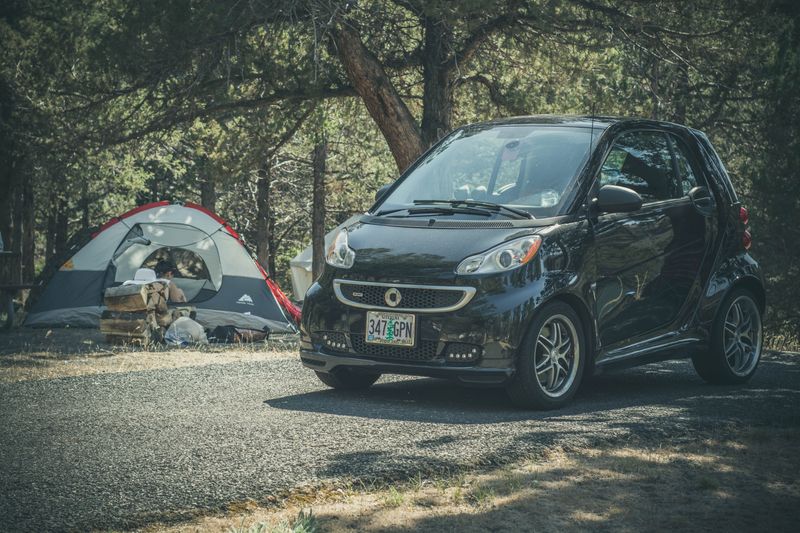
Loading the car, pitching, unpacking, cooking, striking camp and drying everything afterwards all take the same time regardless of how many nights are spent in between.
On a week's trip that work is spread across seven nights and disappears into the background. On one night it is the majority of the trip, and it is all concentrated at the two ends.
The washing and drying afterwards is the part most often forgotten, and it lands at home on the evening of return when nobody wants to do it.
Weather has no margin
A wet night on a longer trip is one night among several, and the following day usually dries things out. On a single night there is no following day.
Packing a wet tent is unavoidable in that case, and it then has to be dried at home within a day or two to avoid damage. That is a real consequence rather than an inconvenience.
What makes it work anyway
The gain is location. Camping puts you somewhere no accommodation exists, which on a near-home trip is frequently the entire point.
The hours around dusk and dawn in such a place are not available any other way, and they are what people actually remember from these trips rather than the sleeping.
Reducing the setup is the whole skill
The practical response is to shrink what has to be set up. A tent that pitches quickly, a single-pot meal and food prepared at home remove most of the work at the destination.
Keeping a permanent box packed with the non-perishable equipment removes the loading stage as well, which is otherwise the step that makes a spontaneous trip impossible.
Two nights is the better shape
Adding a second night roughly halves the overhead per night and adds a full day in place with the camp already standing, which is when the format starts to pay.
Where only one night is available, a bed under a roof usually delivers more rest for less work. The exception is when the location itself is the reason for going, and no roof exists there.
Questions readers ask
Is driving cheaper than the train for a short break?
For groups and for places without rail links, frequently. For one or two people to a well-connected place, often not once parking and fuel are counted.
How do I manage a tiring return drive?
Leave earlier than feels necessary, plan a stop, and treat driving fatigue as the safety issue it is. Road safety guidance in most countries covers this specifically.