Short-Break Cities
The historic core and everything around it
Many cities are a small old centre inside a large modern one. Knowing which part you are visiting decides where you sleep and how far you walk.
Everything here earned its place by changing an outcome. Nothing about historic cores is included to round the number up.
What matters most
- The visitable part of many cities is far smaller than the city itself.
- A compact core suits two nights, but sleeping inside it is not always best.
- Check the distance between the core and the transport you arrive on.
The shape most cities share
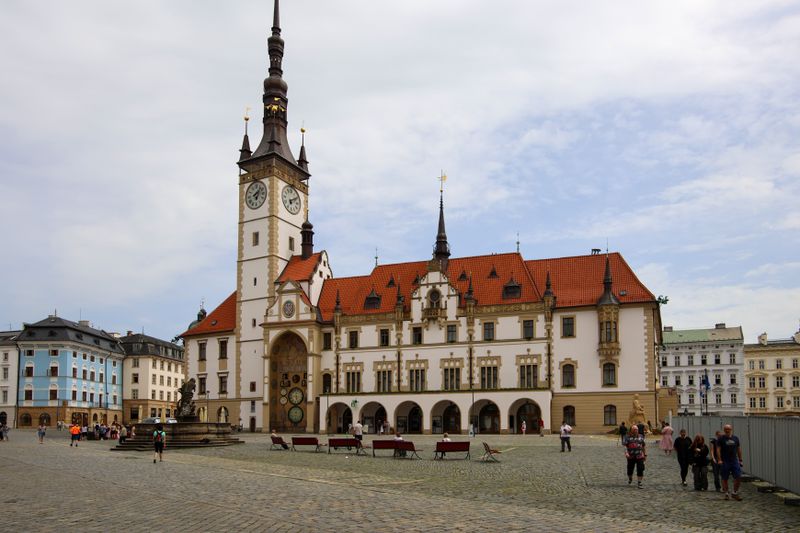
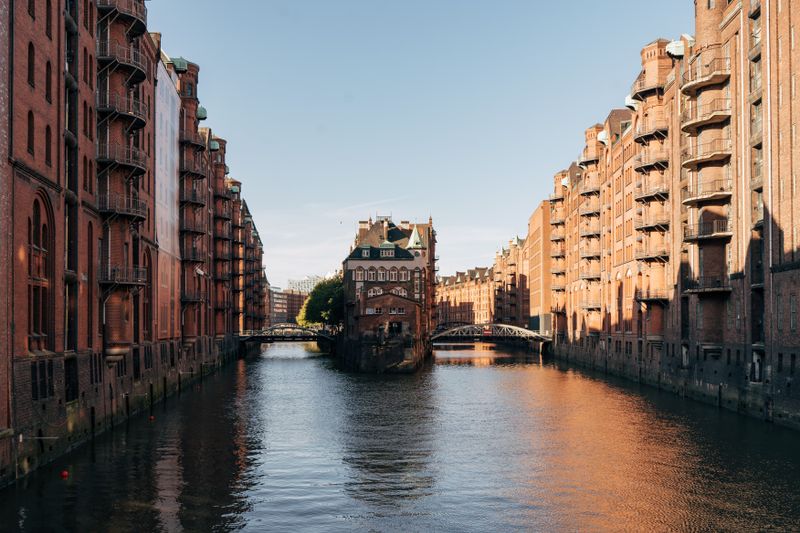
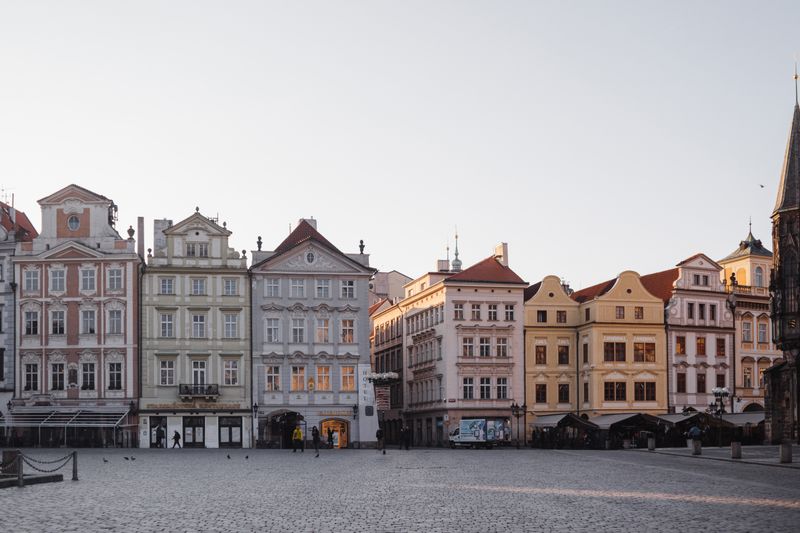
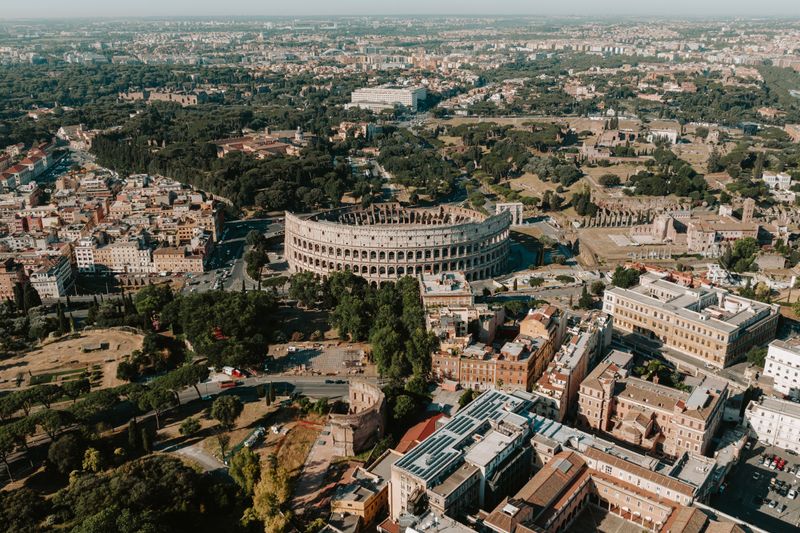
A great many European and Asian cities consist of a small dense core, laid out before vehicles, surrounded by a much larger modern city. For a two-night visit the core is usually where almost everything you intend to do is located, and it is often walkable end to end.
That makes the effective size of the destination very different from the population figure or the area on a map. A city of millions can present a visitable area you could cross in half an hour, which is ideal for a short trip. Judging a destination by its core rather than by its total size is the correction that makes large cities workable at this length.
Why the core is compact
Old centres were built at walking pace, which constrained how far anything could be from anything else that mattered. The result is a density of things worth seeing that no later development pattern has matched, because later development assumed vehicles. That density is exactly what a weekend needs, since it removes travel time from between the items on the day.
In practice, it also explains why the core is crowded, because the same compactness that suits you suits everybody else who came. The crowding is a function of the geometry rather than of the destination popularity, which is why it appears almost everywhere.
Sleeping inside or just outside
Staying inside the core removes journeys entirely, which is the strongest argument available on a trip measured in hours. It also means paying core prices, tolerating core noise and eating mostly in places priced for people who are only there once.
A district immediately outside the core often gives a short walk in, ordinary prices and somewhere that functions in the evening. The test is walking time rather than distance, and anything within about fifteen minutes behaves as though it were inside. Beyond that the journeys start to accumulate, and on two nights each journey is made four or six times.
Getting between the core and the outside
Arrival transport rarely stops in the core, because the core predates it, so there is almost always a final leg. That leg is worth understanding before booking, since a station on the far side of a large modern city is a different proposition.
Put simply, in some cities the core is closed to traffic, which means the last stretch is walked regardless of how you arrived. Knowing that in advance changes what you carry and how much time you leave, particularly on the departure morning. Where vehicle access is restricted, the rules are usually strict and are worth checking rather than discovering on arrival.
The city outside the core
The modern city is where most residents live, and it is where a weekend finds ordinary prices and unposed street life. For a first visit there is no obligation to go there, since the core will comfortably absorb two nights of attention. For a second visit it is frequently the more interesting half, and it is what separates a repeat trip from a repeated one.
Choosing one district outside the core and spending an afternoon there is enough to change how the whole city reads. It also tends to be the part that residents will actually recommend when asked what they like about where they live.
If that does not fit your week, it is not a failure of willpower.
Cities without a core
Some cities never had that shape, either because they grew after vehicles or because their history did not concentrate in one place. These are much harder on a short trip, because the interesting parts are dispersed and every day involves real journeys.
They can still be excellent destinations, but they require choosing one district and accepting that you will not see the others. The mistake is to treat a dispersed city as though it had a core, which produces a weekend spent largely in transit. Looking at where the things you want to do actually sit, before booking, tells you which kind of city you are dealing with.
Everything above, in order of what to do first
- The shape most cities share. A great many European and Asian cities consist of a small dense core, laid out before vehicles, surrounded by a much larger modern city.
- Why the core is compact. Old centres were built at walking pace, which constrained how far anything could be from anything else that mattered.
- Sleeping inside or just outside. Staying inside the core removes journeys entirely, which is the strongest argument available on a trip measured in hours.
- Getting between the core and the outside. Arrival transport rarely stops in the core, because the core predates it, so there is almost always a final leg.
- The city outside the core. The modern city is where most residents live, and it is where a weekend finds ordinary prices and unposed street life.
- Cities without a core. Some cities never had that shape, either because they grew after vehicles or because their history did not concentrate in one place.
The takeaway
Measure the city you will actually walk, not the one on the signpost.
Pick the one that costs you least, and let the rest wait.
Questions readers ask
Should I stay inside the old centre?
Only if the price and the noise suit you. Anything within about fifteen minutes on foot behaves the same way and usually costs less.
Is a large city too big for two nights?
Not if it has a compact core. Judge the destination by the size of the area you will actually use, not by the population.