Short-Break Cities
Off-season, and what you give up for the quiet
Travelling outside peak months is the largest available improvement to a short break, and it is not free.
Everything here earned its place by changing an outcome. Nothing about off-season travel is included to round the number up.
What matters most
- Crowds, not prices, are what most damages a two-day visit.
- Off-season closures are common and vary widely by destination.
- Daylight hours shrink substantially in winter at higher latitudes.
Crowds cost time directly
Queueing, waiting for a table and moving slowly through busy streets are all time taken from a fixed window. On a two-day trip the difference between a busy weekend and a quiet one can be several hours. That is a larger effect than most fare or accommodation decisions.
It is also the effect people notice most in retrospect.
Quiet changes the character of a place
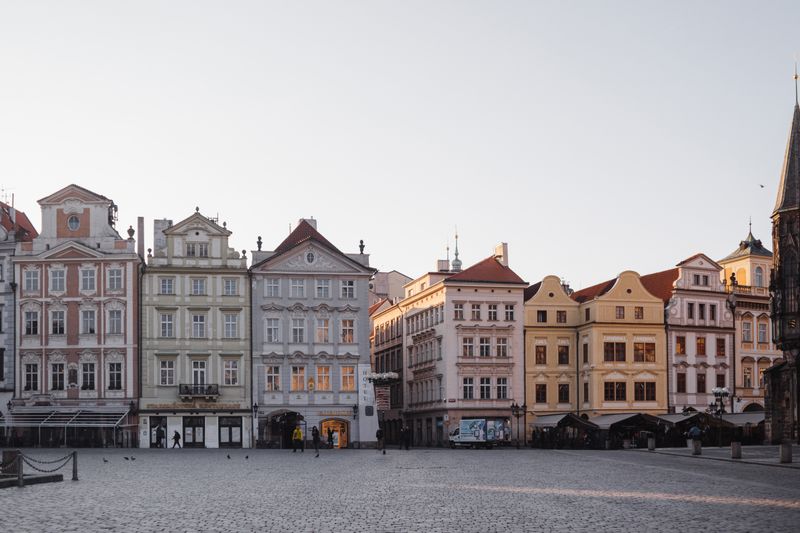
Somewhere overwhelmed by visitors behaves differently towards the ones present. Off-season, the same place is serving mostly its own residents, which is a different experience entirely. For a short trip aiming to get a sense of somewhere, that matters more than the weather does.
In practice, it is the strongest argument for travelling outside peak periods.
Closures are the real cost
Seasonal destinations frequently close a substantial share of their accommodation, restaurants and attractions outside the season. In some places that is a minor inconvenience and in others it means almost nothing is open. This varies so much by destination that it must be checked specifically rather than assumed.
A place that is quiet is good; a place that is shut is a wasted trip.
Daylight is a hard constraint
At higher latitudes winter daylight can be short enough to change what a two-day trip can contain. Outdoor activity, photography and simply walking around are all affected, and no planning recovers the hours. Nearer the equator the effect is small, which is why advice written for one latitude misleads at another.
On an ordinary week, checking sunrise and sunset for your actual dates takes seconds and changes plans.
Shoulder season is usually the answer
The periods immediately before and after peak generally keep the opening hours and lose the crowds. They also tend to have the most tolerable temperatures in places that are hot in summer.
For short trips this is the highest-value window in the year and it is not a secret. It is still substantially quieter than peak, which is what matters.
School terms drive most of it
Peak periods largely follow school holidays, which differ by country and sometimes by region. Anyone not tied to those dates has an enormous and underused advantage. Checking the term dates of the country you are visiting as well as your own avoids accidental peaks.
A week either side of a holiday period is often a completely different destination.
None of this is a substitute for talking to a clinician if something feels wrong.
What a place is like when it is not performing
Off-season the people serving you are dealing with regulars rather than a queue, which usually means more attention and better information than any peak visit will ever produce. It also means shorter hours, fewer staff and kitchens working a reduced menu, so the whole experience is quieter in every sense rather than merely less crowded. Some destinations are genuinely diminished by that, and it is worth being honest about which, because a town whose entire character is outdoor life in warm weather has no winter version of itself.
The useful part is this: the test is whether residents stay through the season, since somewhere with a year-round population always has something running and somewhere without one simply closes the shutters.
Everything above, in order of what to do first
- Crowds cost time directly. Queueing, waiting for a table and moving slowly through busy streets are all time taken from a fixed window.
- Quiet changes the character of a place. Somewhere overwhelmed by visitors behaves differently towards the ones present.
- Closures are the real cost. Seasonal destinations frequently close a substantial share of their accommodation, restaurants and attractions outside the season.
- Daylight is a hard constraint. At higher latitudes winter daylight can be short enough to change what a two-day trip can contain.
- Shoulder season is usually the answer. The periods immediately before and after peak generally keep the opening hours and lose the crowds.
- School terms drive most of it. Peak periods largely follow school holidays, which differ by country and sometimes by region.
The takeaway
Shoulder season keeps what is good about off-season and loses most of what is bad.
Pick the one that costs you least, and let the rest wait.
Questions readers ask
Is off-season always cheaper?
Usually for accommodation and often for travel, though thin off-season schedules sometimes raise prices on specific routes.
What if everything is closed?
That is the main off-season risk, and it varies hugely by destination. Check opening for your actual dates before committing, especially in seasonal resort towns.