Short-Break Cities
The City Built Around One Great Square
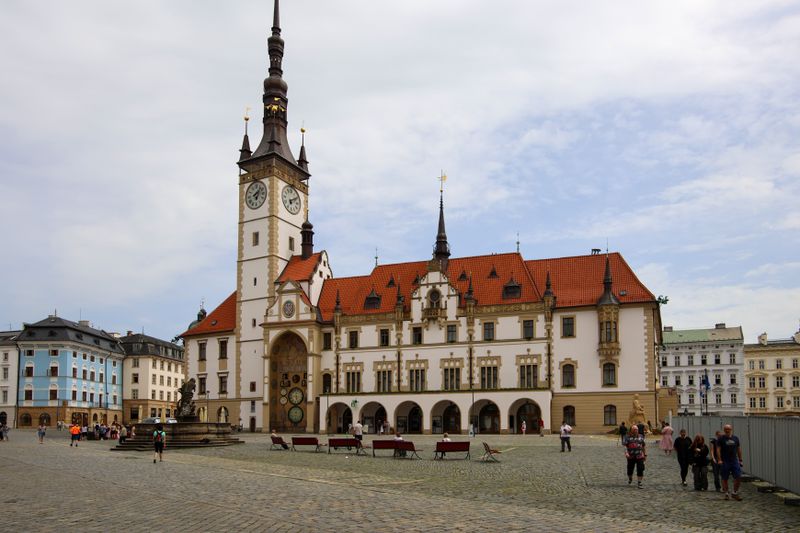
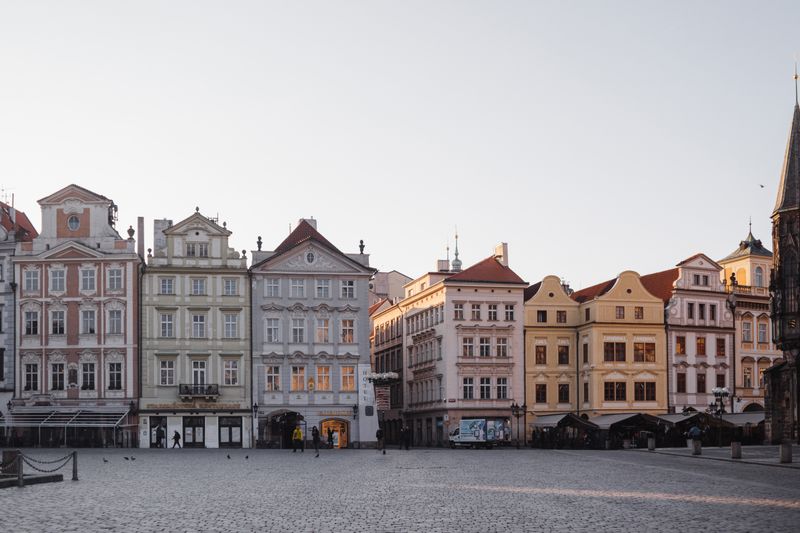
Where a single square carries most of a city's public life, a short visit gains a natural centre of gravity that removes most of the planning a trip normally requires.

Some cities have one square that everything happens in, and others have public life spread thinly across many streets. The difference decides how much structure a two-night visit needs to supply for itself.
Why one square ends up dominant
A square becomes central when the institutions around it are the ones that matter: the town hall, the principal church, the exchange, the main market. Those were built facing each other deliberately, and the space between them acquired the functions of a city centre.
Where a city grew under a single authority, that concentration tends to be strong. Where power was divided between guilds, districts or rival institutions, the public space is divided in the same way.
The pattern survives long after the institutions have changed, because the buildings and the routes between them remain. A square that mattered five centuries ago is usually still the busiest space in the city.
What it does for a short visit
A dominant square gives a two-night trip a fixed reference point, which means orientation is solved almost immediately and every subsequent direction is given relative to one place.
It also concentrates the practical things. Cafés, transport connections and the tourist office are usually on or beside it, so the tasks of a visit happen in one location rather than across several.
The square changes through the day
These spaces are used differently at different hours: a market or a commuter route in the morning, a place to sit at midday, and somewhere quite different in the evening once the offices empty.
Sitting in the same place at two separate times of day shows more of how a city works than moving between two sights. The variation is the information, and it costs nothing to observe.
The cost of the concentration
Everything visitors want being in one place also means visitors are all in one place. Prices on a dominant square are consistently higher than one street back, and the quality is frequently lower.
The reliable adjustment is to use the square for orientation and sitting, and to walk two or three minutes away for anything transactional. The difference over a short trip is substantial.
Cities without one are harder work
Where public life is dispersed, a visitor has to construct their own centre by choosing a neighbourhood and staying within it. That is a decision a two-night trip has little information to make.
It is the main reason large polycentric cities are difficult at this length, and why smaller cities with one strong square feel disproportionately rewarding for the time available.
Questions readers ask
Which day is usually the closed one?
It varies by country and institution, and there is no safe assumption. Check the specific places you care about for your specific dates.
Are weekends better or worse for a short break?
It depends on the destination. Some places are livelier and some largely shut down. The rhythm of the place decides, not the calendar you are used to.