48 Hours
The evening is the part short trips waste
Most short-break planning covers daytime hours and then leaves the evenings to whatever is nearest. That is backwards.
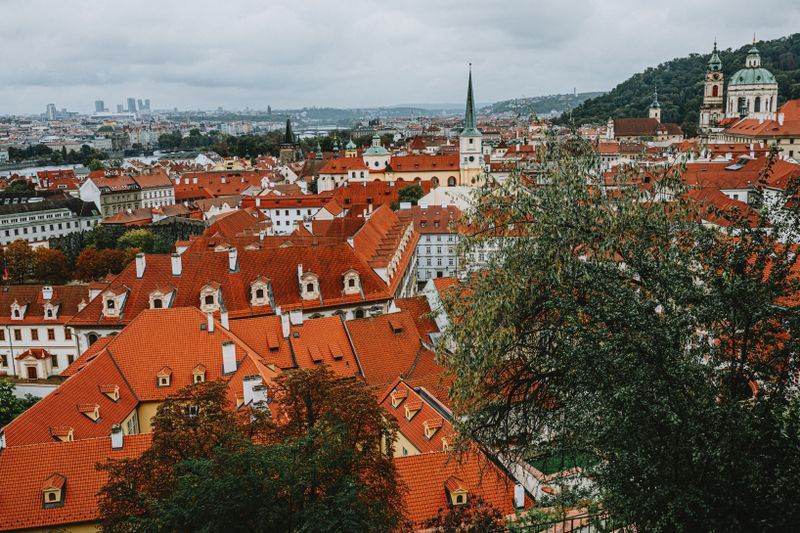
These are listed in the order worth acting on, which with evenings on a short trip is not the order they are usually presented in.
What matters most
- Two nights contains roughly two usable evenings and they are easily lost.
- Evening is often when a place is most itself.
- Arriving too tired to go out converts an evening into a room.
Count the evenings you actually have
A two-night trip contains two evenings at most, and a late arrival removes one of them immediately. That makes each evening a quarter to a half of the trip social time, which is not how they are usually treated. Daytime hours get planned in detail and evenings get whatever energy is left.
Reversing that emphasis produces a noticeably better trip.
Places change after dark
Many towns and cities are at their most characteristic in the evening, when the working day has ended and the residents are out. A trip that sees only daytime sees the visitor version of a place.
This is especially true in warm climates where the day is spent indoors and the evening outdoors. Adjusting the schedule to that rhythm is more useful than any list of sights.
Exhaustion is the real thief
The most common way to lose an evening is to arrive at the accommodation at six intending to rest for an hour. Sitting down after a travel day and a full afternoon usually ends the evening.
Going straight out, eating early and returning late is a better sequence on a short trip. Where a rest is genuinely needed, taking it properly and going out later beats an accidental collapse.
Book one, leave one
One evening with something arranged gives the trip a highlight; the other left open gives it a discovery. Arranging both removes flexibility and arranging neither usually produces two mediocre evenings near the accommodation.
The arranged one should be on the evening you will have most energy, which is rarely the arrival evening. This is a small planning decision with a disproportionate effect.
Where you sleep decides where you eat
On a short trip, tiredness means the evening happens near the accommodation more often than intended. Choosing a base surrounded by places you would be happy to walk into is therefore a food decision as much as a location one. A cheaper base in a dead area quietly costs both evenings of the trip.
The useful part is this: this is one of the few accommodation choices that shows up directly in what you do.
The quiet evening is allowed
Not every evening needs to be spent out, and a genuinely restful one can be the best part of a break. The distinction is between choosing that and defaulting into it through exhaustion.
A trip with one good evening out and one calm one is well balanced. A trip with two accidental early nights has lost half of itself.
None of this is a substitute for talking to a clinician if something feels wrong.
The evening runs on local hours
When an evening begins varies enormously from place to place, and arriving to eat at the hour you would at home can mean an empty dining room or a kitchen that has not opened yet. The same applies at the far end, where last orders in one country fall hours before the point at which another is only starting to fill up.
On an ordinary week, working out that local shape on the first evening is worth more than any restaurant recommendation, because it decides whether you see the place busy or catch it between shifts. It also governs how much of the afternoon to spend resting, since an evening that starts late needs energy held back for it rather than spent by six o'clock.
Everything above, in order of what to do first
- Count the evenings you actually have. A two-night trip contains two evenings at most, and a late arrival removes one of them immediately.
- Places change after dark. Many towns and cities are at their most characteristic in the evening, when the working day has ended and the residents are out.
- Exhaustion is the real thief. The most common way to lose an evening is to arrive at the accommodation at six intending to rest for an hour.
- Book one, leave one. One evening with something arranged gives the trip a highlight; the other left open gives it a discovery.
- Where you sleep decides where you eat. On a short trip, tiredness means the evening happens near the accommodation more often than intended.
- The quiet evening is allowed. Not every evening needs to be spent out, and a genuinely restful one can be the best part of a break.
The takeaway
Plan the evenings first. They are shorter in number than the days and easier to lose.
Small and repeatable beats ambitious and abandoned, almost every time.
Questions readers ask
Is it worth going out on the arrival evening?
If you arrive with energy, yes, because it is a whole extra evening. If the journey was long, a short walk and an early meal preserves the next day.
Should I book restaurants in advance?
One, on the evening you will be freshest. Walking in works well in many places and badly on busy nights in popular areas.
Also by Chiara Bonetti
- When short-haul fares actually moveFares & Booking
- The forty-eight hour itinerary that actually works48 Hours
- Weekend accommodation: what matters at this length48 Hours
- Getting from the airport without overpayingFares & Booking